
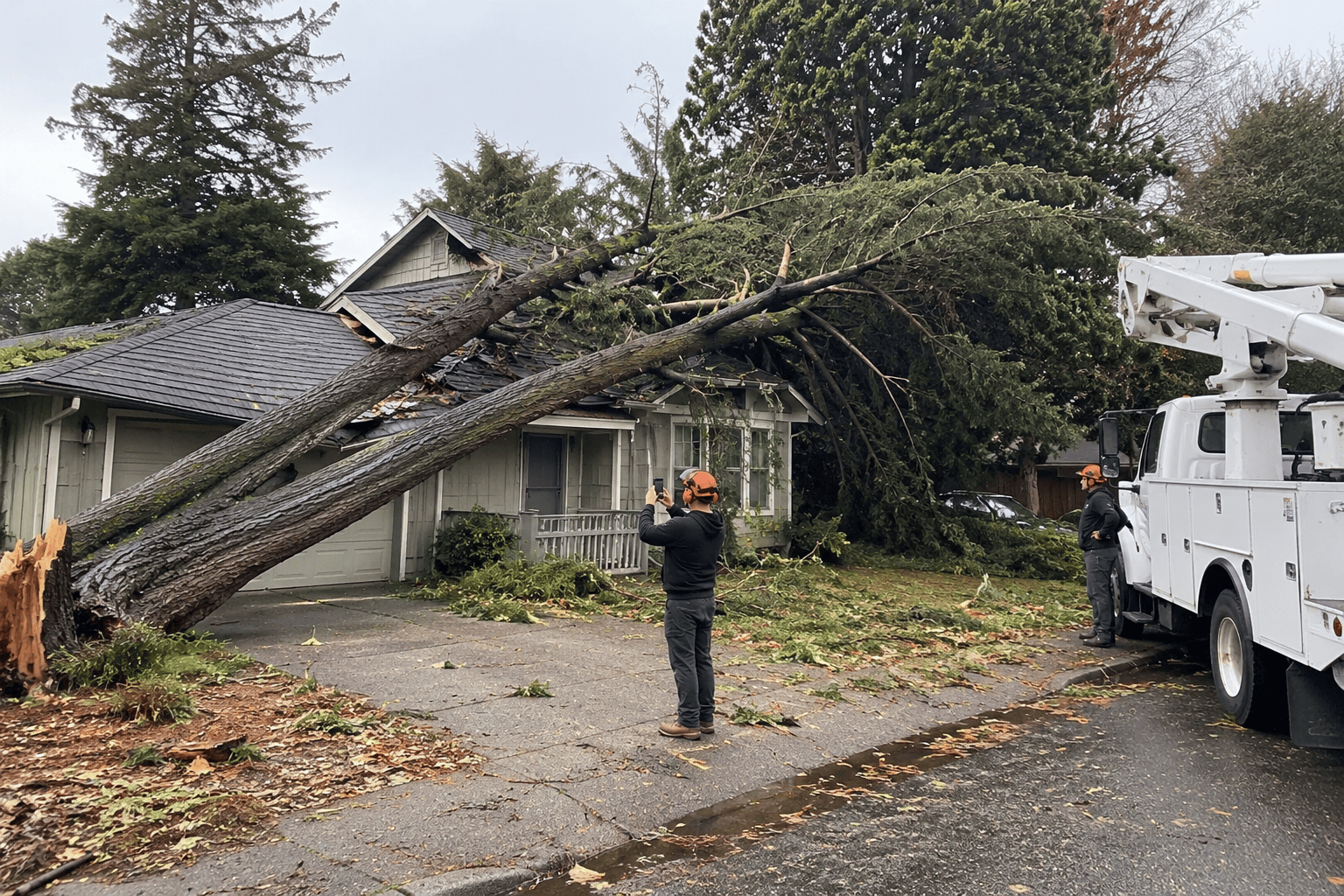
Insurance Claim for a Fallen Tree: Photos and Documents You Need to Get Reimbursed
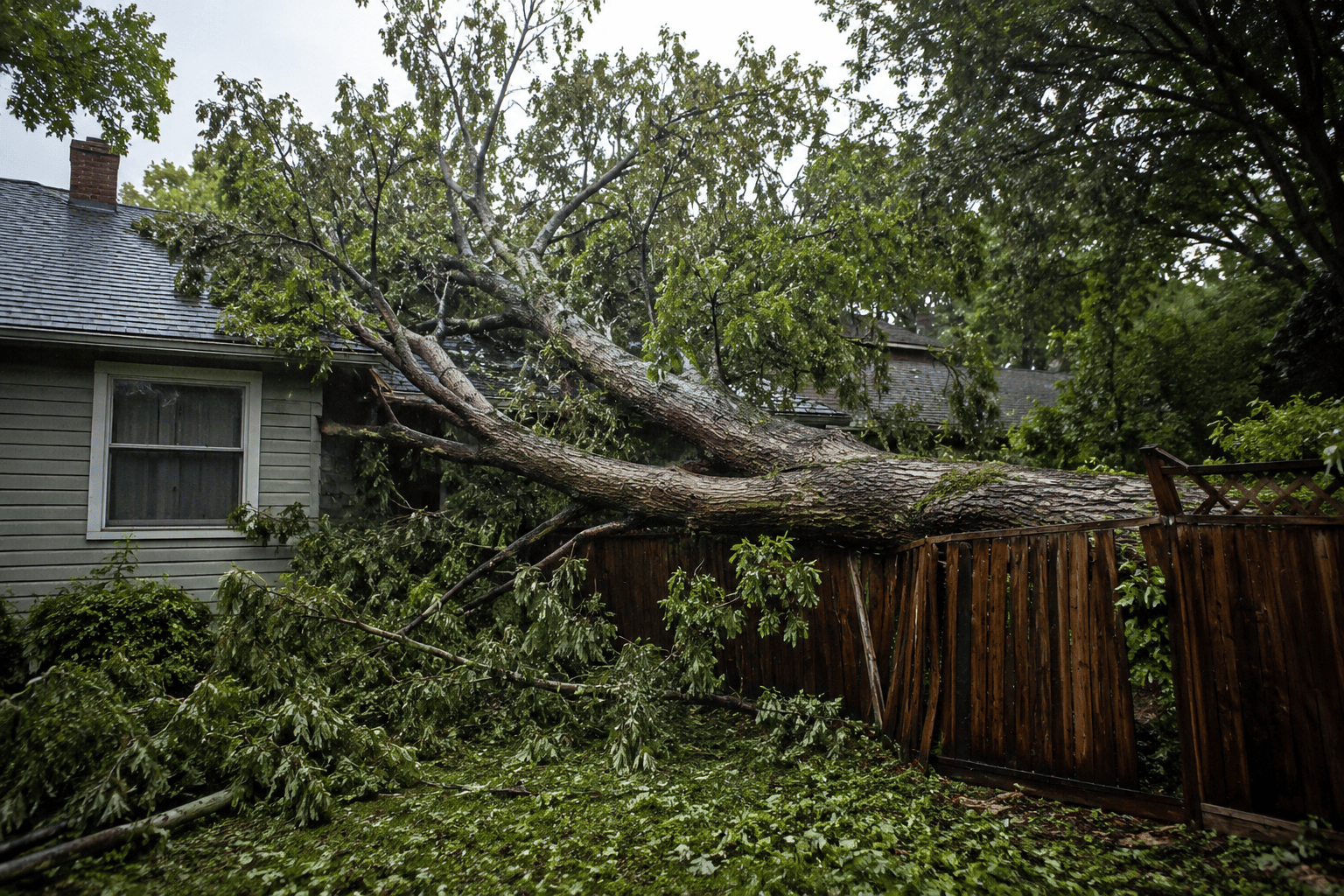
After a tree falls on your house, car, or driveway, the first question is always about safety. The second is about money – specifically, what does your insurance actually need to approve the claim? Proper documentation in the first 24 hours often determines how quickly (and how fully) you get reimbursed.
This guide walks through exactly what to document, what coverage typically applies in California, how insurers evaluate fallen tree claims, and how to work with tree service professionals to strengthen your file. For complex cases, a written arborist report for insurance from an ISA Certified Arborist is often the single most important document. Precision Tree Care’s certified arborist (ISA #WE-12520A) produces these reports routinely for San Mateo County homeowners.
What to do in the first hour after a tree falls
- Ensure everyone is safe. Move people and pets away from the affected areas.
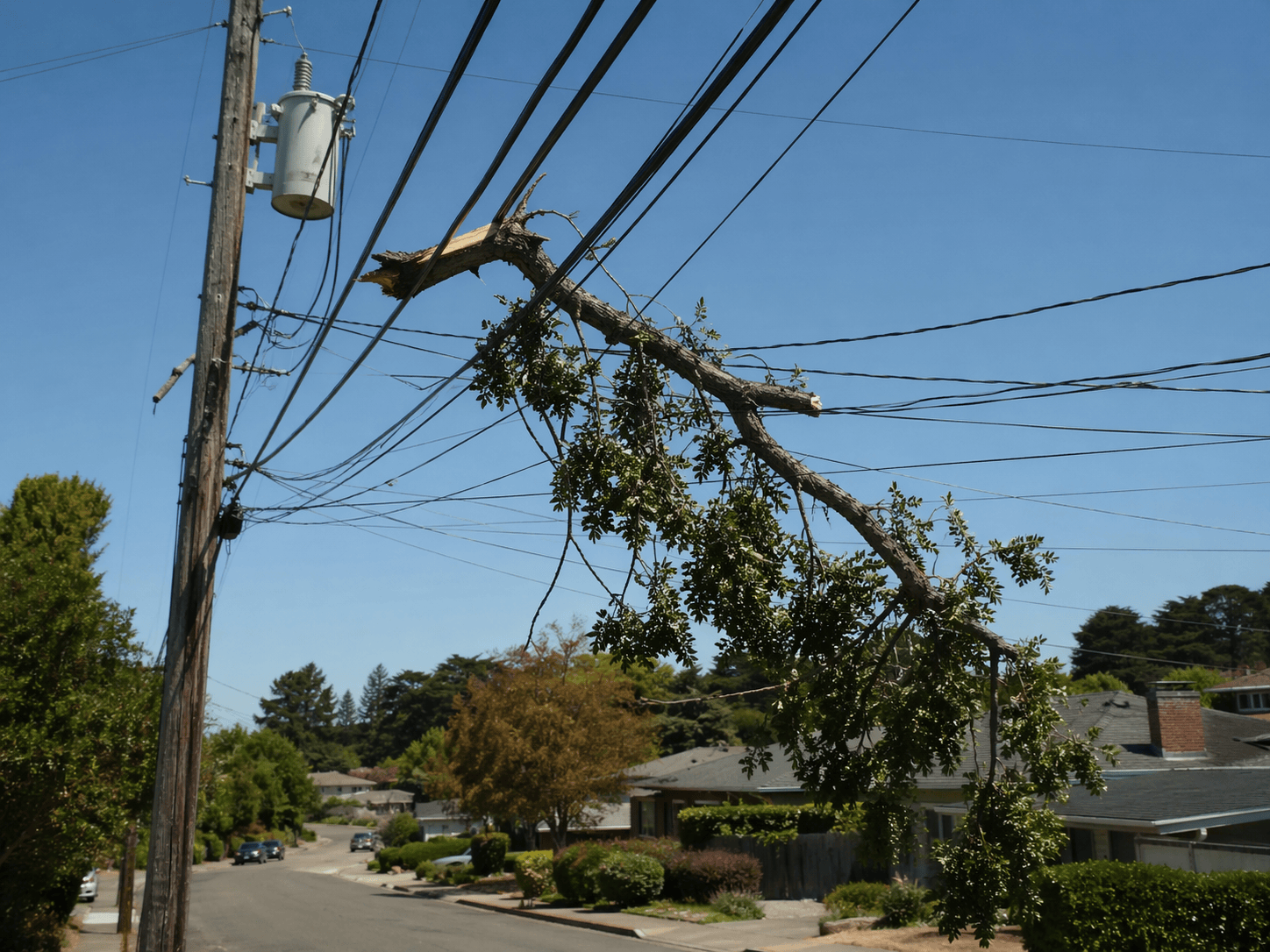
- Check for power lines. Treat any downed line as energized. Stay at least 35 feet away and call PG&E at 1-800-743-5002.
- Document before you clean up. Photos and video of the original scene are worth more than descriptions later.
- Prevent further damage if you can do so safely. Tarping a breached roof, covering broken windows – most policies cover these mitigation costs.
- Notify your insurer. Open the claim as soon as you are safe. Most policies require “prompt” notice, which in practice means 24 to 48 hours.
- Call a licensed tree service. 24/7 emergency tree removal at (650) 355-1277; Precision Tree Care provides the paperwork insurers ask for.
Photos to take before any cleanup
Wide-angle damage shots
- Entire house or structure from multiple angles
- Tree position showing where it came from and how it fell
- Street view showing context
Close-up damage shots
- Broken shingles, siding, gutters
- Interior damage: ceiling cracks, wall damage, water intrusion
- Broken windows, damaged screens; impact points on the structure
Tree condition evidence
- The root plate – lifted soil, exposed roots, snapped roots
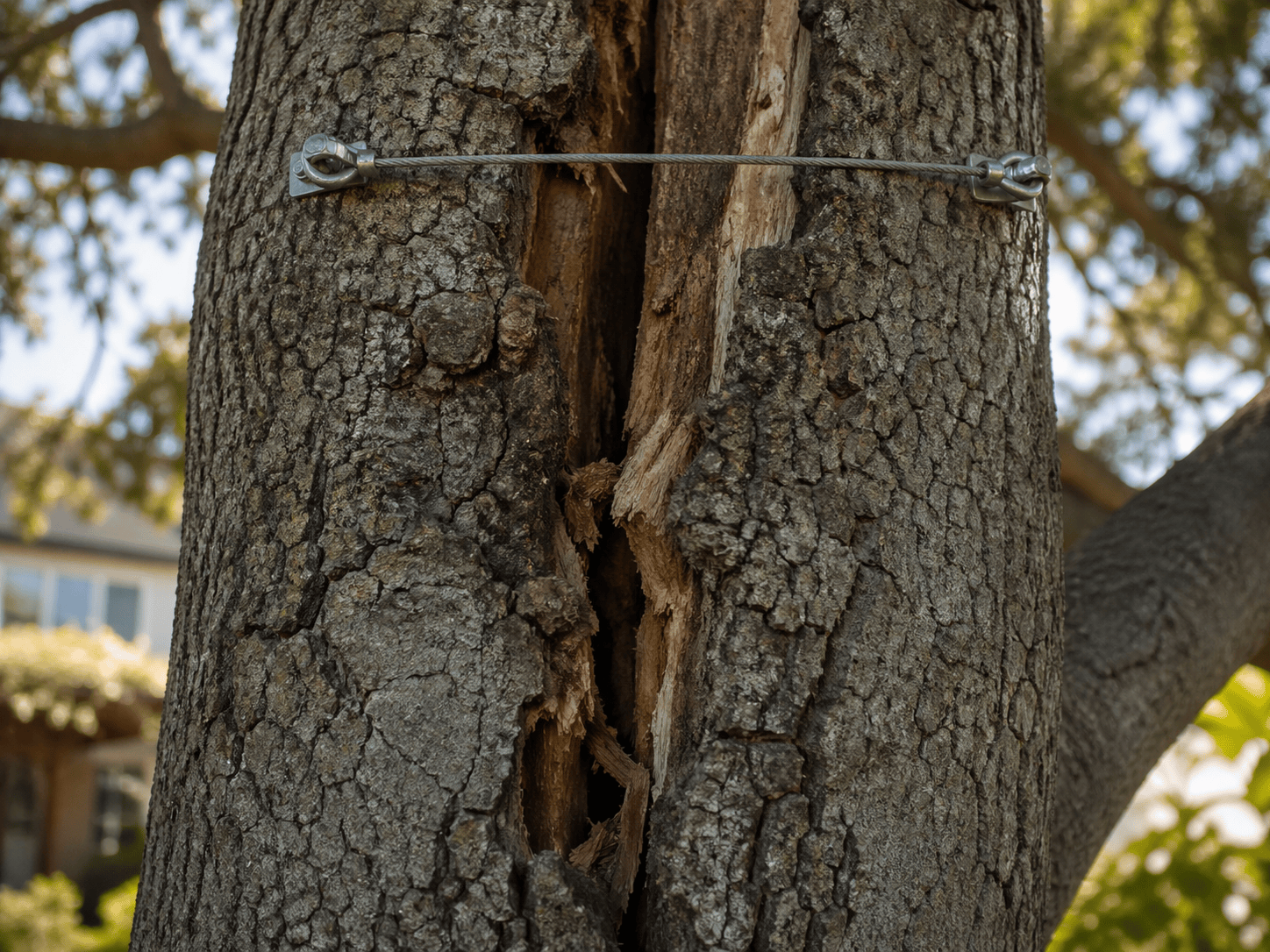
- The trunk – any visible decay, cavities, fungal growth
- Whether the tree originated on your property or a neighbor’s
Surrounding area
- Debris field showing extent of damage
- Ground conditions: wet soil, erosion, evidence of the storm event
Keep your phone’s time-stamp metadata intact – do not edit or crop photos before sending to the adjuster.
Documents you need for a tree damage claim
- Your insurance policy: current declarations page showing coverage limits, sublimits, and deductible
- Written timeline of events: date and time of fall, weather conditions, when each step happened
- Repair estimates from licensed contractors for structural work
- Tree removal invoice or estimate from a licensed, insured tree service (detailed, itemized)
- Arborist report documenting the tree’s condition and the cause of failure
- Weather reports for the day of the event (National Weather Service data is free and official)
- Prior maintenance records – pruning invoices, prior inspection reports – to show the tree was cared for
How insurers evaluate tree damage claims
The adjuster is trying to answer three questions:
- Was the cause of failure a covered peril? Storms, wind, and lightning are covered. Gradual decay or owner neglect usually are not.
- Did the tree damage a covered structure or block access to one? Lawn damage alone is rarely covered. Damage to house, garage, fences, and vehicles (under comprehensive auto) usually is.
- Was the homeowner performing reasonable maintenance? A tree with long-standing visible decay that fell on a calm day can trigger “negligent maintenance” pushback.
This is why the arborist report matters so much. A certified arborist’s written statement that the tree was healthy, storm-struck, and could not reasonably have been predicted to fail closes off the “neglect” avenue and makes the claim straightforward.
What California homeowner’s policies typically cover
Usually covered
- Structural damage from a tree falling due to storm, wind, or lightning
- Tree removal when a tree has fallen on a covered structure or is blocking a driveway/access
- Emergency mitigation (tarping, temporary boarding) to prevent further damage
- Contents damage inside the house from falling branches or water intrusion
Usually NOT covered
- Tree removal when the tree fell in the yard without hitting a covered structure
- Preventive removal of a tree that looks risky but has not fallen
- Trees that fell due to documented owner neglect (severe visible decay)
How much does insurance pay for tree removal?
| Coverage item | Typical limit | Notes |
|---|---|---|
| Tree removal per tree | $500 – $1,500 | Applies when tree damaged structure or blocks access |
| Total tree removal per event | $2,000 – $5,000 | Cap across multiple trees from same storm |
| Structural repair | Main dwelling coverage limits | Separate from tree removal limits |
| Emergency tarping or boarding | Often covered separately | Keep all receipts |
Always get the coverage limits in writing from your adjuster before authorizing work beyond the covered amount.
Tree fell on a car: auto or home insurance?
A tree falling on your car is covered under comprehensive auto insurance, not homeowner’s. If you carry liability-only coverage, there is no payout. Check your auto policy’s deductible – comprehensive deductibles are often $500 or $1,000.
How to file a strong claim: step by step
- Document immediately – photos, video, notes, before any cleanup
- Report the claim within 24 to 48 hours
- Request the coverage details in writing from your adjuster
- Get written estimates from licensed contractors for structural repair and tree removal
- Request a written arborist report if the cause is disputed or the tree had visible decay
- Keep every receipt and communication record
- Escalate promptly if the claim stalls – California Department of Insurance (800-927-4357) handles complaints
When a neighbor’s tree falls on your property
Under California law, if a neighbor’s tree falls on your house during a storm, your homeowner’s policy typically covers the damage. The legal reasoning: a storm-caused failure is an “act of nature,” not the neighbor’s fault. The exception is if you can prove the neighbor knew the tree was dead, diseased, or hazardous and failed to act. This is why written documentation matters when you notice a neighbor’s tree looking bad.
Preventive steps that protect your coverage
- Annual tree inspections by a certified arborist, with written reports. This creates a maintenance history that closes off “negligent maintenance” disputes.
- Timely removal of dead branches and deadwood, especially over structures and driveways.
- Written communication to neighbors about any trees of theirs that concern you.
- Keep invoices from all tree work – they establish the maintenance pattern.
For a free assessment of trees around your San Mateo County property, including written reports for insurance purposes, call (650) 355-1277.
Frequently asked questions
1. What is the first step after a tree falls on my house?
Safety, then documentation. Get everyone outside and away from the affected area. From a safe distance, look for downed power lines – treat any as energized and stay 35 feet back. Call 911 if anyone is hurt. Once the scene is stable, start photographing. Then call your insurance company to open the claim, and call a licensed tree service. Precision Tree Care answers 24/7 at (650) 355-1277.
2. Does homeowner’s insurance cover tree removal if nothing was damaged?
Usually no. Most California policies only pay for tree removal when the tree has damaged a covered structure or is blocking access to one. A tree that fell in the yard without hitting anything is generally the homeowner’s responsibility.
3. How much will insurance pay to remove a tree from my roof?
California policies typically have a sublimit of $500 to $1,500 per tree and $2,000 to $5,000 total per event, separate from structural repair costs. Get the exact limit in writing from your adjuster before authorizing work beyond what the policy covers.
4. Do I need an arborist report for the insurance claim?
Not always, but often yes, and always when the cause of failure could be disputed. An arborist report is critical if the tree had visible decay, the tree fell on a calm day, or coverage is being denied. A written report from an ISA Certified Arborist costs $150 to $400 and often pays for itself many times over in claim approval.
5. What if my neighbor’s tree fell on my house?
Your homeowner’s policy usually covers the damage, not the neighbor’s. California treats storm-caused tree falls as acts of nature rather than negligence. The exception: if you can prove the neighbor knew the tree was hazardous and failed to act, your insurer may pursue the neighbor’s policy via subrogation.
6. Does insurance cover a tree that falls on my car?
Only if you carry comprehensive auto coverage. Liability-only does not cover storm damage. For significant damage (crushed roof, broken windshield, body panel damage), the claim is usually worth filing. File with your auto insurer, not your homeowner’s.
7. Will my homeowner’s insurance cover preventive tree removal?
Generally no. Insurance is designed for unexpected events, not routine maintenance. The exception is narrow “imminent peril” coverage in some policies, which may apply when an ISA Certified Arborist provides a written report stating the tree is in active failure and threatens a covered structure.
8. What if my insurance claim is denied or underpaid?
First, request a written explanation. Review your policy’s covered perils and sublimits. Appeal in writing with additional evidence – more detailed arborist report, weather data, photos. California law requires insurers to respond to appeals within 40 days. If that fails, file a complaint with the California Department of Insurance at 800-927-4357 or cdi.ca.gov.