

Tree trimming is a crucial aspect of maintaining the health and aesthetics of your landscape. Understanding when to trim your trees can prevent potential hazards and promote healthy growth. This article will explore the key signs indicating that your trees need immediate trimming, ensuring you can act promptly to maintain their health and safety. Many homeowners overlook the importance of tree care, leading to issues such as property damage or tree decline. By recognizing these signs early, you can take proactive measures to protect your investment and enhance your outdoor space. We will cover various indicators, including dead branches, overgrown canopies, and proximity to structures, as well as the benefits of professional tree care services.
What Are the Key Signs Your Tree Needs Immediate Trimming?
Identifying the signs that your tree requires immediate trimming is essential for maintaining its health and safety. Trees can exhibit various symptoms that indicate the need for pruning, including dead or diseased branches, overgrown canopies, and branches that are too close to structures or power lines. Recognizing these signs early can help prevent further damage and ensure the longevity of your trees.
How Do Dead, Dying, or Diseased Branches Indicate Tree Health Issues?
Dead, dying, or diseased branches are clear indicators of underlying health issues within a tree. These branches can harbor pests and diseases that may spread to other parts of the tree or even to nearby trees. Symptoms of tree diseases can include discoloration, wilting, or unusual growth patterns. Addressing these branches promptly can help maintain the overall health of the tree and prevent further decline.
Understanding the subtle signals of tree distress is crucial for effective intervention, as experts emphasize the importance of recognizing symptoms to diagnose disorders accurately. Many times a plant pathologist will not be a good diagnostician because of his narrow interests and his limited familiarity with different trees. On the other hand, a municipal arborist may make an excellent diagnostician because he is constantly observing many trees under varying conditions.
— The diagnosis of urban tree disorders, 1980
🔗 Related Services:
Why Is an Overgrown or Dense Canopy a Hazard to Your Property?
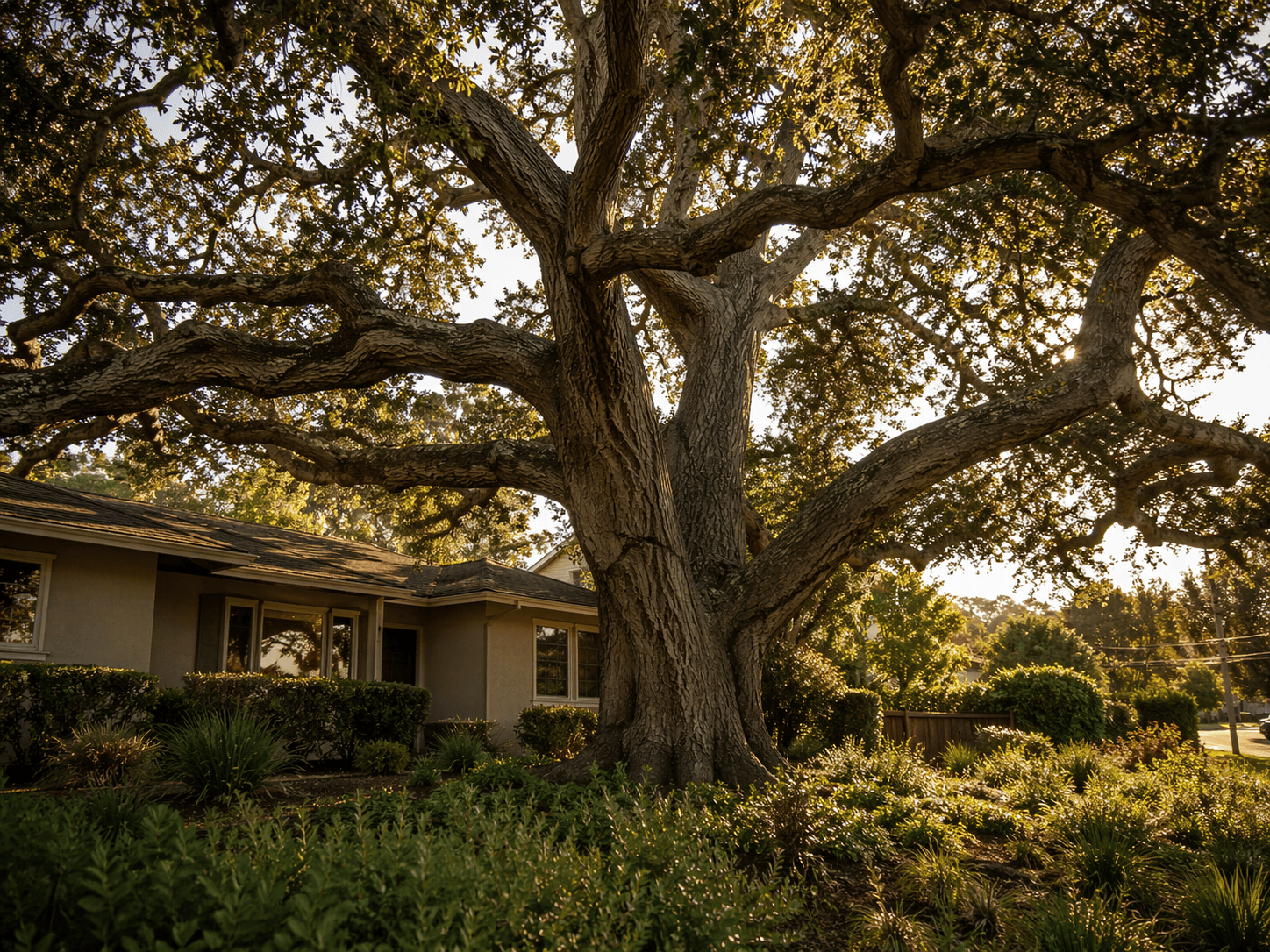
An overgrown or dense canopy can pose significant hazards to your property. Such canopies can block sunlight from reaching your lawn and other plants, leading to poor growth and increased moisture levels that may attract pests. Additionally, dense canopies can increase wind resistance, making trees more susceptible to storm damage. Regular trimming can help maintain a balanced canopy, ensuring adequate light and airflow.
🔗 Professional Solutions for Overgrown Trees:
Crown Reduction & Thinning
View Clearing Services
Brush Clearance & Mowing

How Can You Identify Tree Branches That Are Too Close to Structures or Power Lines?
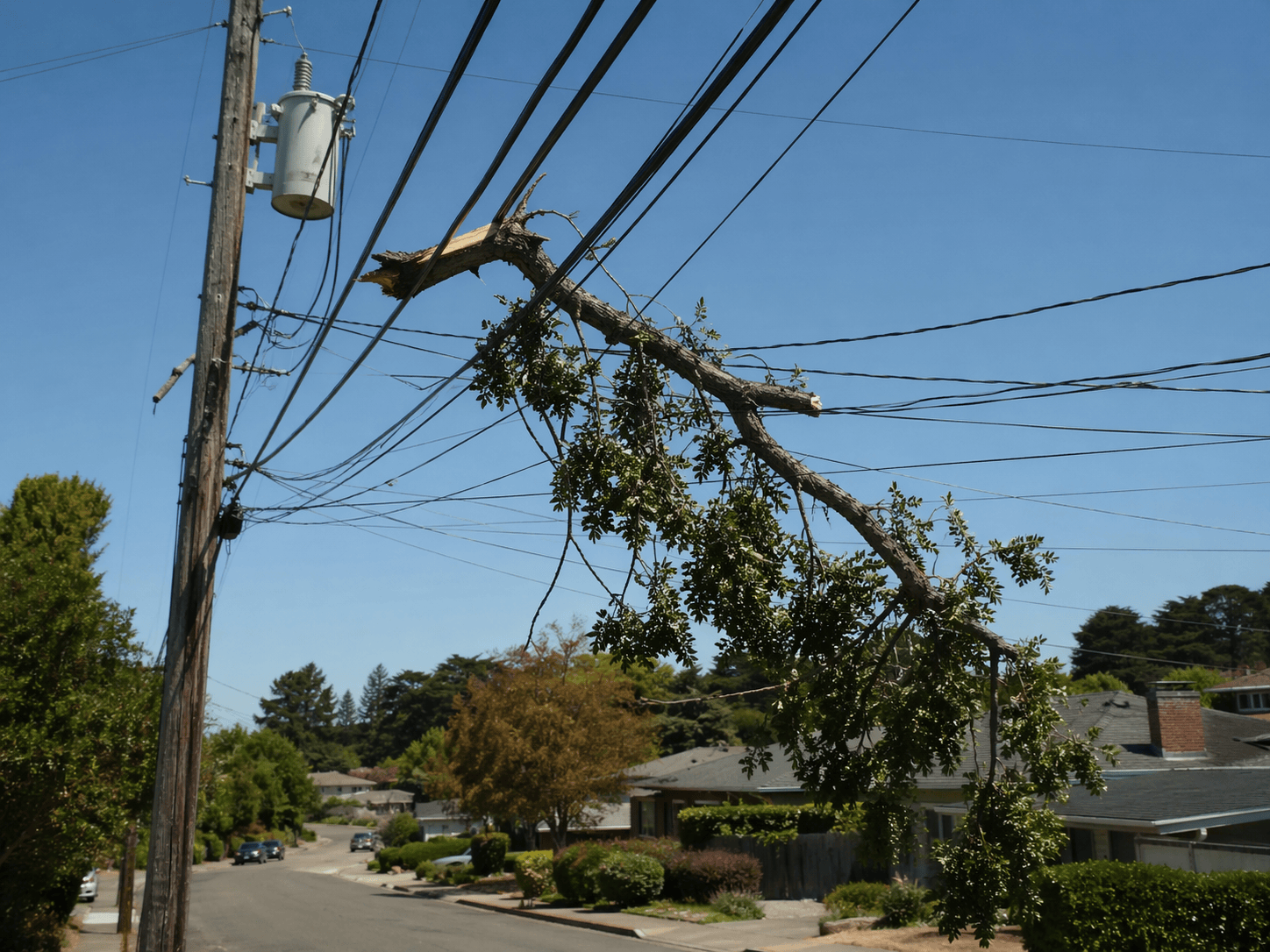
Assessing the proximity of tree branches to structures or power lines is crucial for safety. Branches that are too close can cause damage to your property or create hazardous situations during storms. Understanding local regulations regarding tree maintenance can also help you stay compliant while ensuring safety.
What Risks Do Branches Near Power Lines Pose?
Branches near power lines pose significant electrical hazards. During storms or high winds, these branches can break and come into contact with power lines, leading to power outages or even fires. It is essential to maintain a safe distance between trees and power lines to mitigate these risks.
The critical importance of maintaining adequate clearance between trees and power lines is further underscored by research highlighting the risks of discharge faults and potential wildfires. When the clearance between vegetation and transmission lines is less than the insulation safety distance, discharge faults between vegetation and the lines can easily occur. In forested areas with abundant combustible materials, such incidents may initiate wildfires.
— Environmental effects on the critical breakdown distance for trees in proximity to transmission lines, 2025
🔗 Protect Your Property from Fire Hazards:
How Does Proximity to Buildings Affect Tree Safety and Property?
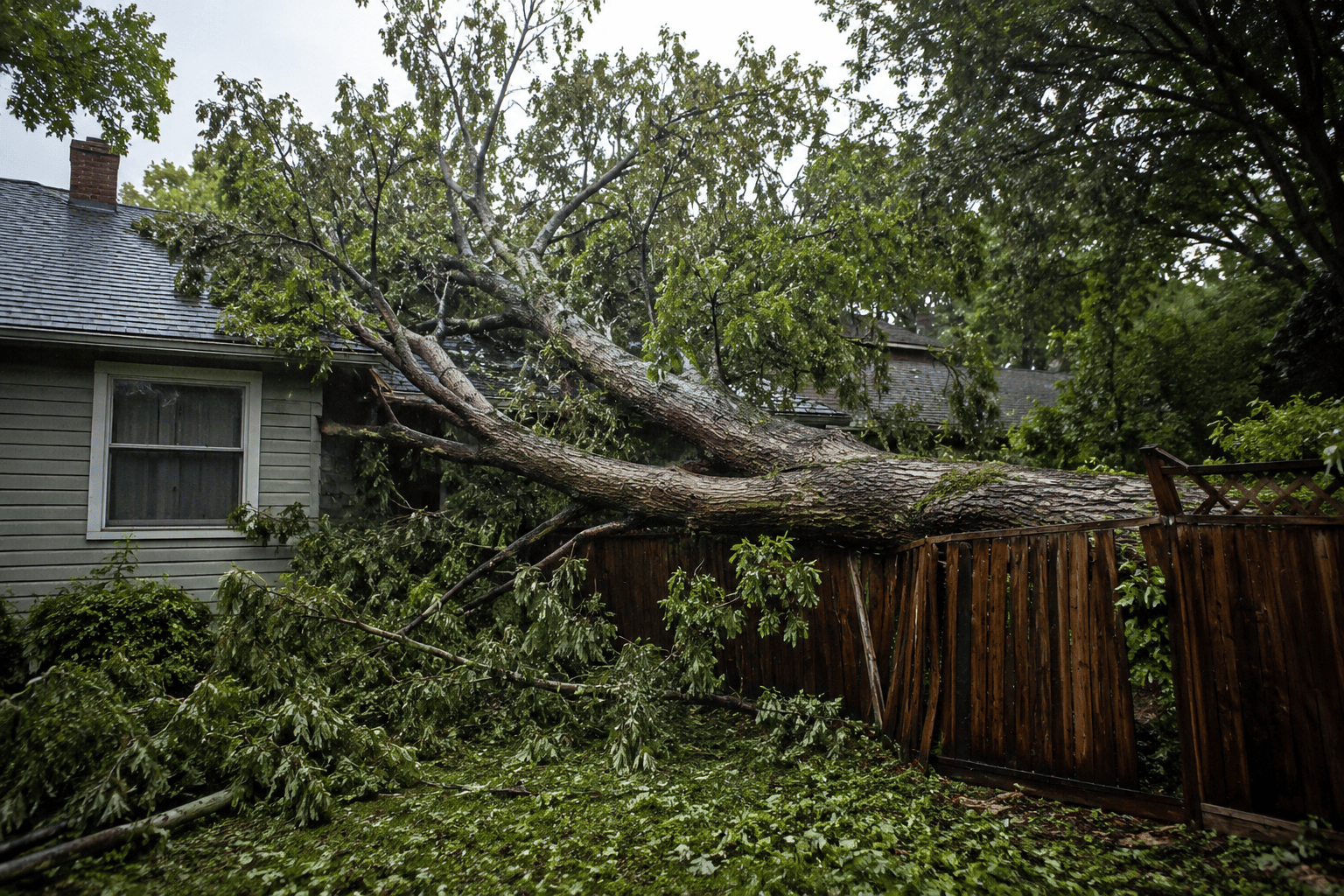
The proximity of tree branches to buildings can lead to structural damage over time. As branches grow, they can scrape against roofs, siding, or windows, causing wear and tear. Additionally, falling branches can pose a direct threat to your property and safety. Regular trimming can help prevent these issues and maintain the integrity of your structures.
What Are the Effects of Storm Damage and Weakened Limbs on Tree Stability?
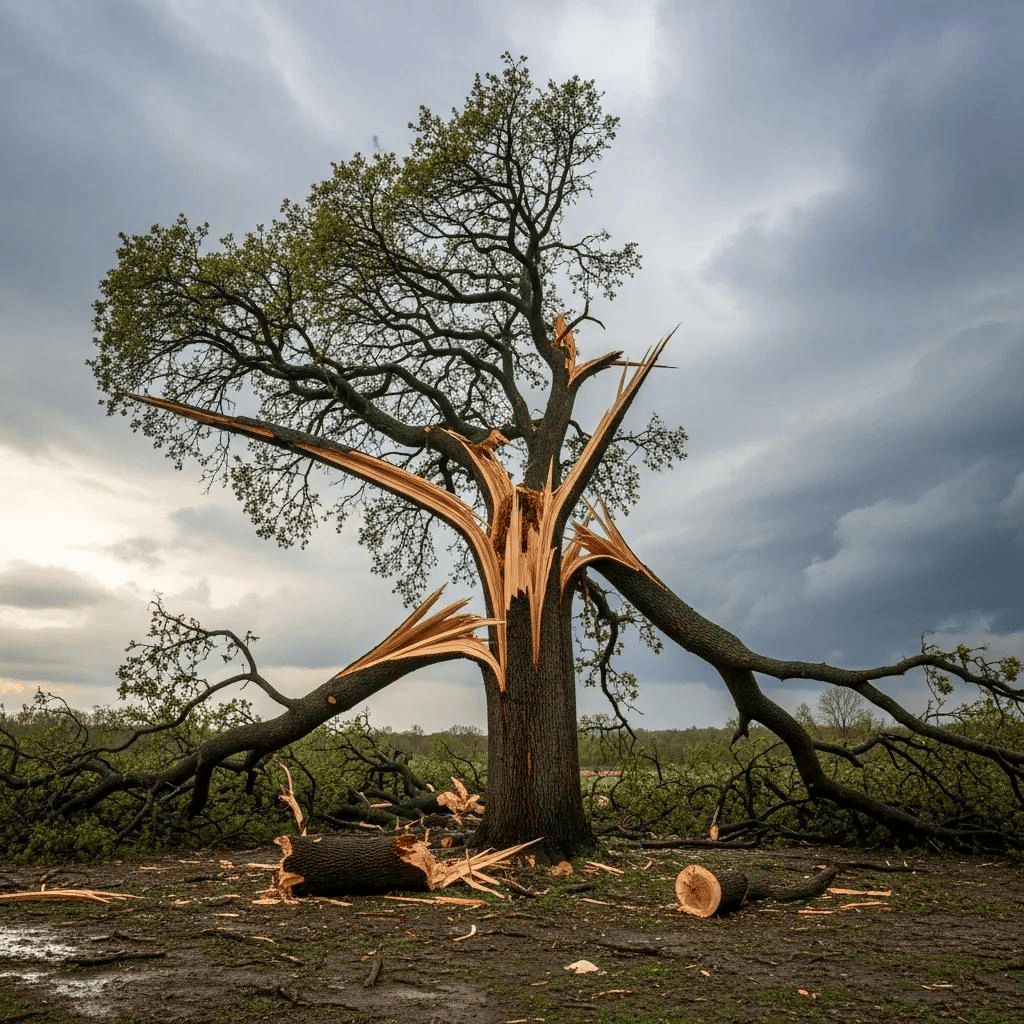
Storm damage can significantly impact the stability of trees, especially if they have weakened limbs. Recognizing the signs of storm damage is essential for maintaining tree health and safety. After severe weather events, it is crucial to assess your trees for any visible damage.
How to Recognize Broken or Cracked Limbs After a Storm?
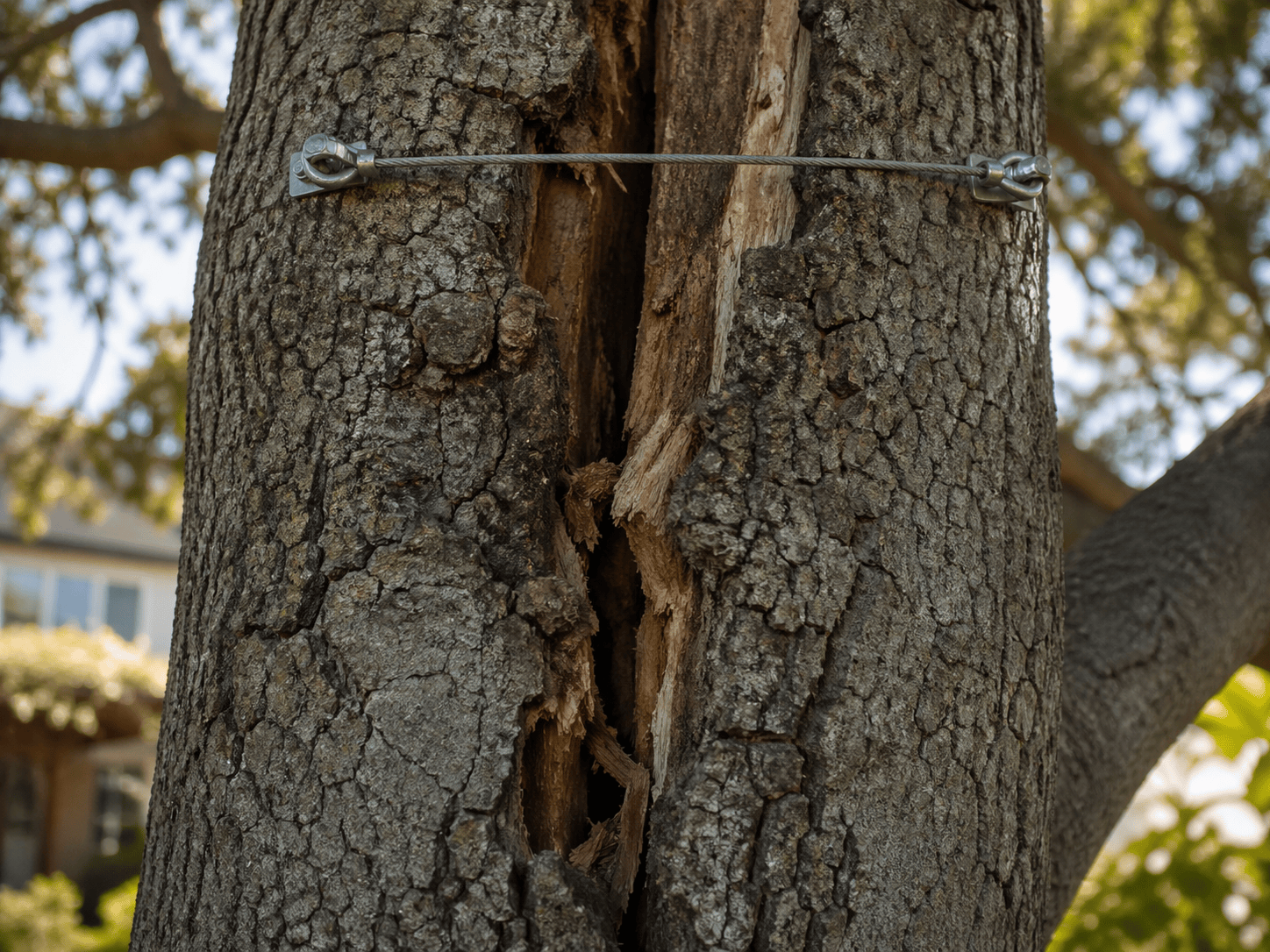
After a storm, look for broken or cracked limbs, which can indicate that the tree’s structural integrity has been compromised. These damaged limbs can pose a risk of falling, especially during subsequent storms. Identifying and removing these limbs promptly can help ensure the safety of your property and surrounding areas.
When Should You Schedule a Post-Storm Tree Health Assessment?
Scheduling a post-storm tree health assessment is vital for identifying any damage that may not be immediately visible. Ideally, this assessment should occur within a few days to a week after the storm to address any issues before they worsen. A professional arborist can provide a thorough evaluation and recommend necessary actions to restore tree health.
🔗 Storm Damage Solutions:
Tree Cabling & Bracing
Emergency Tree Removal
Insurance & Arborist Reports
🌪️ Did Your Trees Survive the Last Storm?
Hidden damage can turn into falling branches without warning. Protect your family and property!
24-Hour Emergency Response Available
We’ll assess storm damage within 24 hours and provide immediate solutions.
Request Storm Damage Assessment
Call Emergency Line
⏰ Don’t wait for the next storm – act now before it’s too late!
Why Are Crossing or Rubbing Branches a Sign You Need Tree Pruning?
Crossing or rubbing branches can lead to significant damage over time. When branches rub against each other, they can cause bark damage, creating entry points for pests and diseases. Recognizing and addressing these branches is essential for maintaining tree health.
How Do Rubbing Branches Cause Bark Damage and Disease Entry?
Rubbing branches can strip away the protective bark, exposing the tree to pathogens and pests. This damage can lead to infections that compromise the tree’s health. Regular pruning can help prevent these issues by ensuring that branches have enough space to grow without interfering with one another.
When trees experience damage, their internal defense mechanisms are automatically triggered to protect against pathogens and restore vital functions, a process critical for their long-term survival. Whenever the functioning of tissues essential to a tree is affected, regardless of cause, non-specific autonomous processes are triggered involving restoration of vital lateral meristems and blocking of conductive sap-wood.
— The non-specific nature of defense in bark and wood during wounding, insect and pathogen attack, 1977
What Are the Long-Term Impacts of Ignoring Crossing Branches?
Ignoring crossing branches can lead to long-term health decline in trees. As bark damage accumulates, the tree may become more susceptible to diseases and pests, ultimately leading to its decline. Regular maintenance is essential to prevent these issues and promote healthy growth.
🔗 Expert Pruning Services:
How Does Poor Tree Form or Lack of New Growth Signal the Need for Trimming?
Poor tree form or a lack of new growth can indicate that a tree is not thriving. Trees should exhibit balanced growth patterns and produce new leaves and branches regularly. Recognizing these signs can help you determine when trimming is necessary to encourage healthy growth.
What Does Unbalanced Growth Mean for Tree Aesthetics and Health?
Unbalanced growth can lead to aesthetic issues, making trees appear lopsided or unhealthy. This imbalance can also indicate underlying health problems that need to be addressed. Pruning can help restore balance and promote healthy growth patterns.
How Do Discolored Leaves Indicate Underlying Tree Stress?
Discolored leaves can be a sign of underlying stress in a tree. Factors such as nutrient deficiencies, pests, or diseases can cause leaves to change color. Identifying the cause of leaf discoloration is essential for determining the appropriate course of action, including potential trimming or treatment.
When Should You Call a Certified Arborist for a Professional Tree Health Assessment in San Mateo County?
Knowing when to call a certified arborist is crucial for maintaining tree health. These professionals have the expertise to assess tree conditions accurately and recommend appropriate actions.
What Expertise Does a Certified Arborist Provide in Diagnosing Tree Problems?
Certified arborists possess specialized training and knowledge in tree care. They can diagnose various tree problems, including diseases, pests, and structural issues. Their expertise ensures that you receive accurate assessments and effective solutions for your trees.
🔗 Professional Arborist Services:
How Can Professional Tree Trimming Improve Safety and Property Value?
Professional tree trimming can significantly enhance safety and property value. By maintaining healthy trees, you reduce the risk of damage to your property and improve the overall aesthetics of your landscape.
| Aspect | Benefit | Impact Level |
|---|---|---|
| Health | Promotes new growth and vitality | High |
| Safety | Reduces risk of falling branches | High |
| Aesthetics | Enhances landscape appearance | Medium |
| Property Value | Increases curb appeal and home value | High |
This comparison highlights the multifaceted benefits of regular tree trimming, emphasizing the importance of maintaining tree health for safety and property value.
🌳 Precision Tree Care Inc – Your Trusted Tree Care Experts in San Mateo County
Don’t let unhealthy trees become a hazard to your property and family. Our certified arborists are ready to help!
- Certified ISA Arborists with 15+ Years Experience
- 24/7 Emergency Storm Response
- Free On-Site Estimates & Consultations
- Licensed, Insured & Fully Bonded
- Same-Day Service Available
- 100% Satisfaction Guarantee
Call Now
Get Free Online Quote
⏰ Spring is the BEST time for tree trimming! Schedule your appointment today and save 10% on seasonal services.