
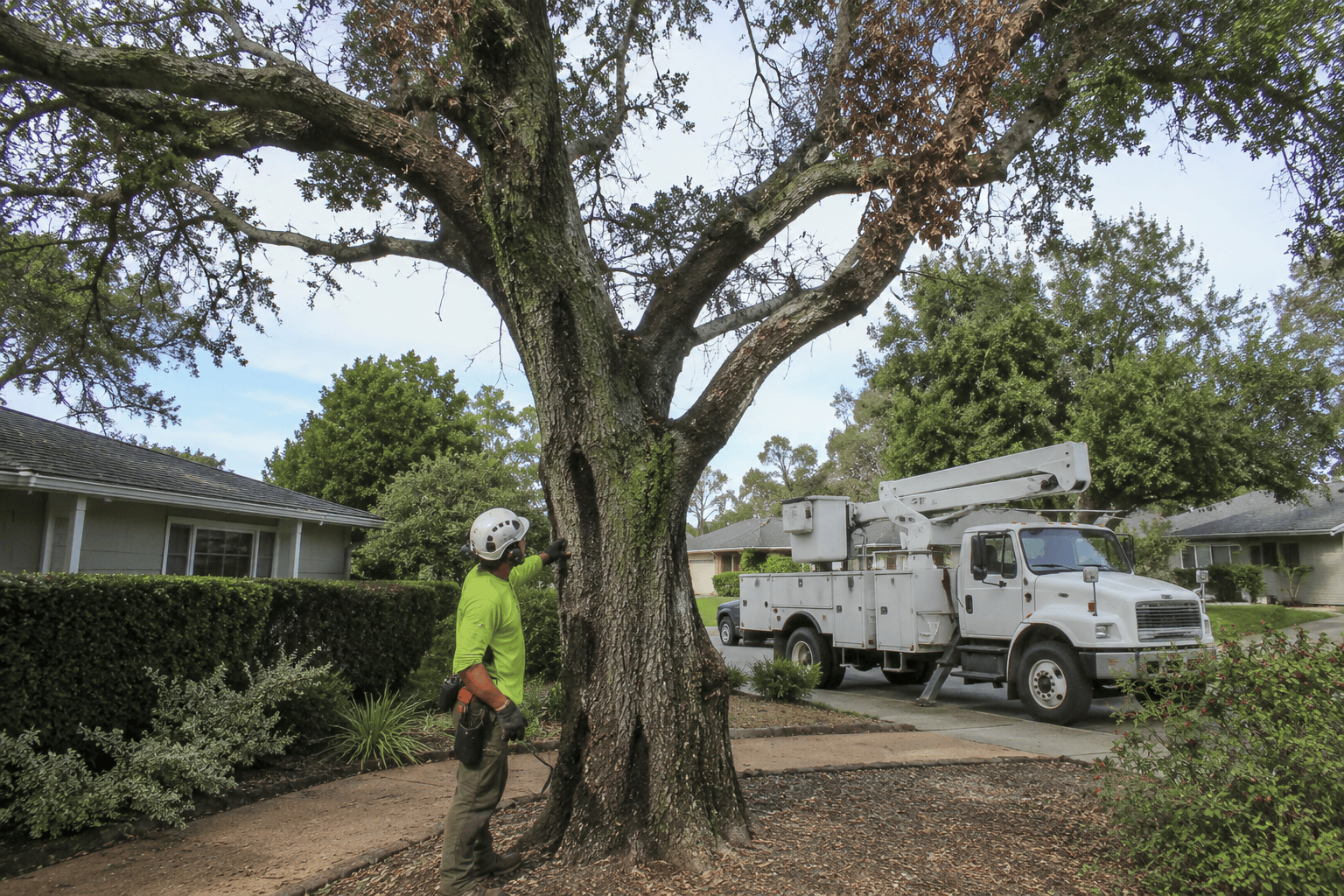
Sudden Oak Death: Symptoms and What San Mateo County Homeowners Should Do
Sudden Oak Death (SOD) has killed millions of California oaks and tanoaks since it was first identified in the 1990s. Caused by the pathogen Phytophthora ramorum, the disease often goes unnoticed for months before bark cankers, leaf dieback, and canopy decline become obvious – by which point the tree is usually beyond saving. For San Mateo County homeowners with mature native oaks, early detection and preventive treatment are the highest-value actions available.
This guide explains the symptoms of SOD, how the disease spreads, what treatment can and cannot do, and how to protect oaks on your property. For any suspected SOD case, a timely assessment by Precision Tree Care’s ISA Certified Arborist (#WE-12520A) can help determine the right next step; call (650) 355-1277.
What is Sudden Oak Death?
SOD is caused by Phytophthora ramorum, an oomycete (water mold) pathogen. It is not a true fungus, which matters for treatment choices – most fungicides are ineffective and specific phosphonate compounds are needed. The disease primarily affects:
- Coast live oak (Quercus agrifolia) – the most commonly killed species
- Black oak (Quercus kelloggii)
- Canyon live oak (Quercus chrysolepis)
- Tanoak (Notholithocarpus densiflorus) – frequently killed
California white oak, valley oak, and blue oak are generally resistant. A number of other plants including California bay laurel, Douglas fir, and rhododendron can carry the pathogen without being killed by it – they are called “foliar hosts” and play a major role in spreading the disease.
Symptoms of Sudden Oak Death
Early stage
- Dark, bleeding cankers on the trunk – thick, dark red or black sap oozing from apparently intact bark
- Cankers may appear from the base up to the lower canopy
- Subtle leaf color changes – slight yellowing or browning, often dismissed as seasonal
- Reduced leaf density in the upper canopy
Progressing stage
- Canker zones expand; multiple cankers may coalesce
- Branch dieback visible in the upper canopy
- Leaves drop prematurely
- Secondary beetle and fungal infestations colonize weakened wood
Advanced stage
- Extensive crown dieback
- Structural weakness and branch failure
- Tree appears to die quickly – but the infection has typically been present 1 to 3 years by this point
The “sudden” in Sudden Oak Death refers to the appearance of death, not the actual disease timeline. By the time a tree looks obviously dying, the infection is usually advanced and the tree cannot be saved.
How Sudden Oak Death spreads
Understanding transmission is essential for prevention:
- Rain and wind splash – the pathogen spreads in water droplets during wet, warm conditions
- Foliar hosts – California bay laurel is the single largest spreader on the Peninsula; the pathogen reproduces on bay laurel leaves without killing the laurel, then washes off onto nearby oaks
- Contaminated soil – carried on shoes, tools, tires, and equipment
- Infected plant material – firewood, nursery stock, cuttings
- Human activity – hiking, landscape work, and firewood movement have spread SOD faster than natural transmission would
Moist conditions in spring and early summer are peak transmission season. San Mateo County’s climate – wet winters followed by humid springs – is essentially ideal for the pathogen.
Where SOD is confirmed in San Mateo County
SOD is established in parts of the Peninsula, with confirmed cases in the coastal mountains, particularly:
- La Honda and Pescadero watershed areas
- Montara and Half Moon Bay hillsides
- Portions of unincorporated San Mateo County west of Highway 280
- Parts of the upper Peninsula where bay laurel is common
Confirmed regional presence does not mean every oak is infected, but it does mean preventive treatment becomes more valuable. The California Oak Mortality Task Force maintains statewide maps of confirmed cases.
What to do if you suspect SOD
- Do not prune or cut the tree – fresh wounds create new infection pathways
- Avoid disturbing soil near the tree
- Photograph the symptoms – bleeding cankers, leaf changes, canopy condition
- Schedule a professional assessment with a certified arborist
- Consider laboratory confirmation – bark samples can be tested at UC Davis or through local plant labs
- Limit foot traffic through the area; clean shoes and tools before visiting other properties
- If confirmed, plan for protection of nearby oaks – preventive phosphonate treatment is more effective than responsive treatment on already-infected trees
Treatment options
Phosphonate injections
The primary treatment. Phosphonate compounds (marketed as Agri-Fos, Reliant, or similar) are injected or sprayed into the tree and activate the tree’s natural defenses against Phytophthora. Treatments typically need to be repeated every 1 to 2 years in high-risk areas. Phosphonate is preventive and early-stage therapeutic – it slows or stops progression but does not reverse significant canker damage.
Sanitation
Remove and properly dispose of California bay laurels within 10 meters of valuable oaks. This is controversial because bay laurels are also native, but on properties where oak protection is the priority, removing the foliar host reduces local inoculum significantly.
Root zone management
Avoid soil compaction, fill dirt, and irrigation near infected trees. Stressed oaks are far more susceptible to progression.
Removal
For trees with extensive canker damage or that have died, professional removal prevents structural failure and reduces local inoculum. Disposal must follow containment protocols – burning on-site where permitted, deep burial, or transport only to approved facilities. Do not move infected wood to firewood piles elsewhere.
Costs of SOD management
| Service | Typical cost | Frequency |
|---|---|---|
| Arborist assessment and diagnosis | $150 – $400 | Once, plus follow-ups |
| Lab confirmation testing | $100 – $300 | As needed for confirmation |
| Phosphonate treatment per tree | $150 – $500 | Every 1 to 2 years |
| Bay laurel removal (SOD host) | $500 – $2,000 per tree | One time |
| Infected oak removal | $1,500 – $5,000+ | One time, with contained disposal |
Local rules and reporting
San Mateo County cities generally treat SOD-related oak removal as justifiable cause for a permit, though the permit is still required for protected species. A confirmed SOD diagnosis speeds the process and may waive replanting requirements.
For transport of infected oak wood outside established SOD zones, California Department of Food and Agriculture regulations apply. Infected firewood should not be moved out of the county. Most homeowners simply have contaminated material chipped on-site and composted or hauled to a facility equipped to handle it.
Prevention: the most effective approach
- Do not prune oaks during wet months (February through June) – see our oak pruning timing guide
- Remove or sharply reduce bay laurel within 10 meters of valuable oaks
- Preventive phosphonate treatment every 1 to 2 years in confirmed SOD zones
- Avoid soil compaction and fill dirt around the root zone
- Clean shoes and tools when returning from oak-covered areas
- Do not move firewood from infected regions to clean areas
- Schedule annual inspections to catch symptoms at the earliest stage
For inspection and preventive treatment programs anywhere in San Mateo County, call (650) 355-1277.
Frequently asked questions
1. How do I know if my oak has Sudden Oak Death?
The hallmark symptom is dark, thick, bleeding cankers on the trunk – sap oozing through apparently intact bark, often in multiple spots. Early cankers are easy to miss; they look like wet stains on the bark. Combined with subtle leaf yellowing or thinning canopy, multiple cankers strongly suggest SOD. Visual diagnosis is not certain – lab confirmation from a bark sample at UC Davis or a local plant pathology lab is definitive and costs about $100 to $300. Schedule an arborist assessment before the tree declines further.
2. Can Sudden Oak Death be cured?
No. Once established, there is no cure. Phosphonate treatments can slow progression and protect unexposed tissue, but they cannot reverse canker damage. Trees caught very early – early cankers, no canopy decline, no structural compromise – sometimes live many additional years with regular phosphonate treatment. Trees with extensive cankers or canopy dieback are usually on a 1 to 3 year trajectory to removal regardless of treatment.
3. Is Sudden Oak Death dangerous to humans or pets?
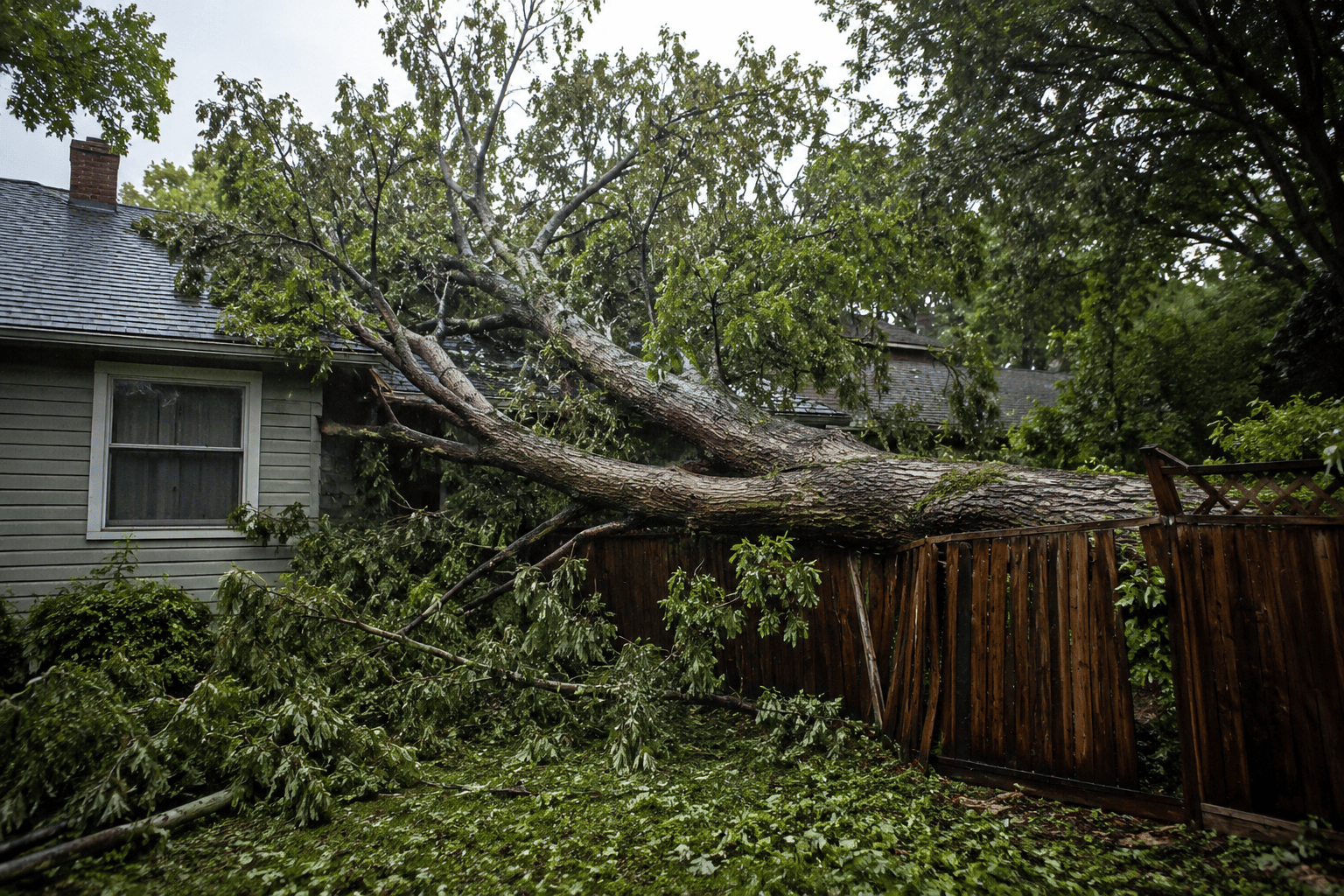
No. Phytophthora ramorum only affects plants. It poses no direct health risk to people, dogs, cats, livestock, or wildlife. The indirect risk is structural failure of dying oaks – dead limbs and whole trees can fall without warning, especially during wet or windy conditions. This is the real safety concern for homeowners with confirmed SOD.
4. Should I remove my California bay laurels to protect my oaks?
If you have valuable oaks within 10 meters of bay laurels, strongly consider it. Bay laurel is the primary local host that spreads SOD to oaks without dying itself. Cal Poly and UC Davis research consistently shows that removing bay laurels near oaks significantly reduces infection rates. The tradeoff: bay laurels are also native and have their own ecological value. For an ornamental property with prized oaks, the math usually favors bay laurel removal. For a wildlands setting, the decision is more complex.
5. How often should I get phosphonate treatments?
In confirmed SOD zones, every 1 to 2 years – typically in late fall, before the winter rainy season creates peak transmission conditions. Treatments are applied by injection or high-pressure spray by a qualified arborist. A single treatment round runs $150 to $500 per tree depending on size. The cumulative cost over a decade is typically much less than losing a mature oak.
6. Can other trees get SOD besides oaks?
Yes. More than 100 plant species are confirmed or suspected hosts. Most of them are foliar hosts – the pathogen reproduces on their leaves without killing them, and they serve as inoculum sources for nearby oaks and tanoaks. Besides bay laurel, common Peninsula foliar hosts include rhododendron, camellia, azalea, huckleberry, Douglas fir, and manzanita. If you have these plants near oaks, SOD risk increases.
7. What do I do with the wood from a removed SOD-infected oak?
Follow contained disposal protocols. Options: (a) on-site chipping and composting in place, (b) deep burial on the property, (c) transport to an approved disposal facility that handles pathogenic plant material. Do not split and give the wood away as firewood – this has been a major vector for SOD spread into new regions. Burning on site is prohibited in San Mateo County. A licensed tree service will handle disposal as part of the job.
8. Does homeowner’s insurance cover SOD damage or removal?
Generally no. SOD is considered a disease rather than a covered peril, similar to rot or pest damage. Removal is only covered if the tree has already fallen and damaged a covered structure. Some policies include narrow “imminent peril” language that may apply if a certified arborist documents in writing that an SOD-damaged tree poses active failure risk to a covered structure. Without that documentation, preventive removal is a homeowner expense. Treatment programs are also not covered – they are considered maintenance.