
Tree Service for Foster City’s Planned Neighborhoods
Professional Tree Care Services – Foster City, CA
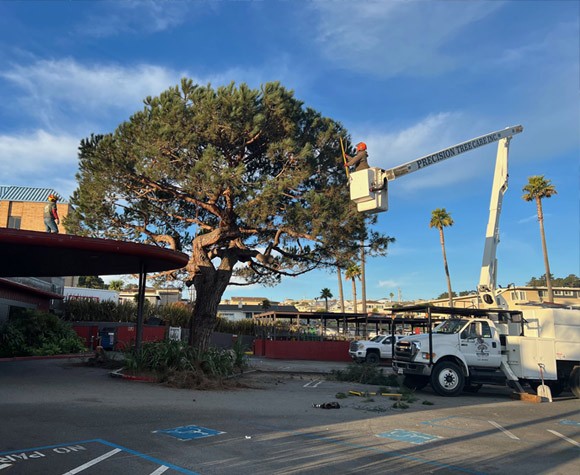
Foster City’s planned neighborhoods, lagoon-side lots, and open bayfront exposure create a windy environment where trees need regular pruning and care to stay healthy and safe. Precision Tree Care Inc. is a fully licensed and insured local company providing expert tree trimming and pruning, safe tree and emergency removal, stump grinding, crown reduction and thinning, cabling and bracing, and certified arborist services.
Wind off the bay puts steady pressure on Foster City’s trees, so we focus on structural pruning, thinning, and cabling that help them stand up to storms, plus clean removal when a tree has reached the end of its life. Every estimate includes dumping and haul-away with no callbacks for extra charges, and we leave your property spotless. Foster City homeowners and HOAs rely on Precision Tree Care for professional, transparent service.
View Our Tree Care Services in Foster City
Trust Our Top Rated Tree Care Experts.
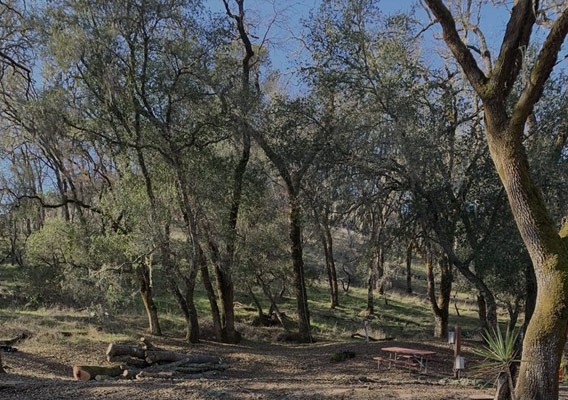
Creating defensible space with brush clearing, vegetation thinning, and strategic trimming to reduce fire risk.
Protects your home and improves overall property safety.
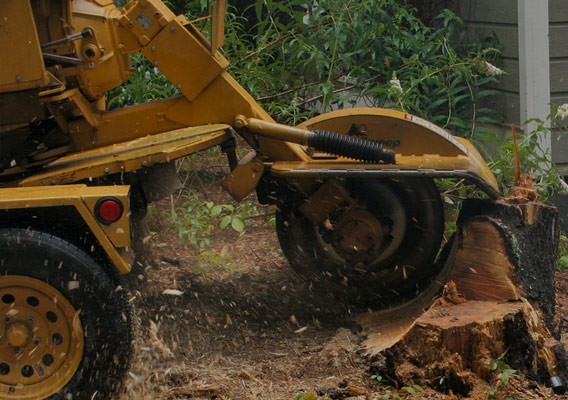
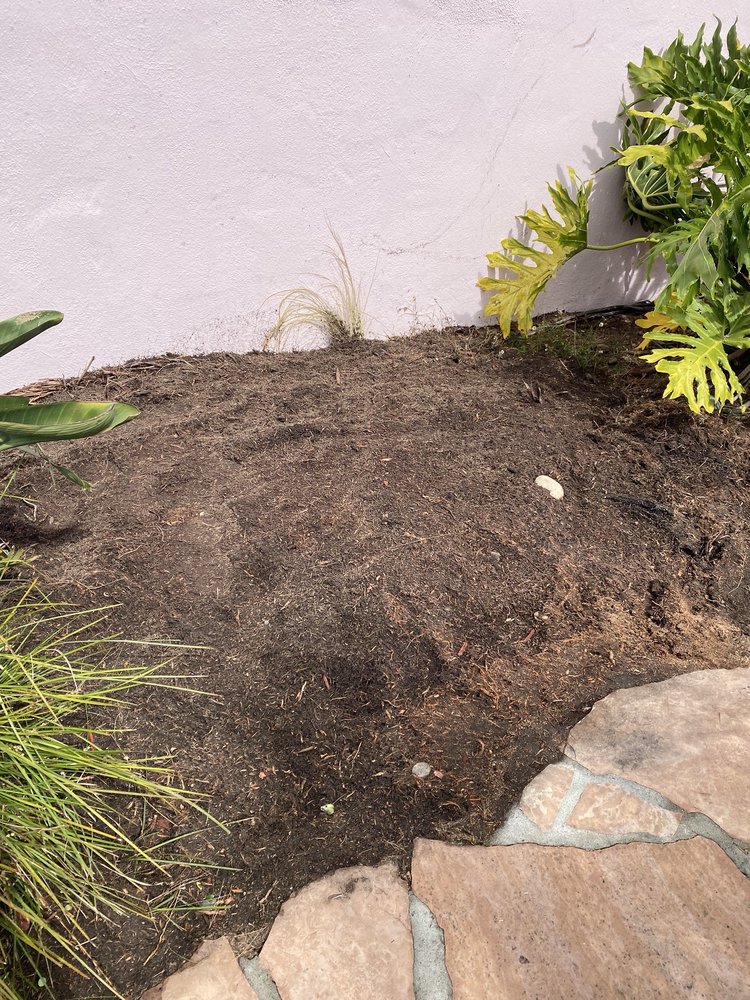
Grinding stumps below soil level or fully removing the stump and root system for a clean, usable area.
Backfilling and complete cleanup always included.
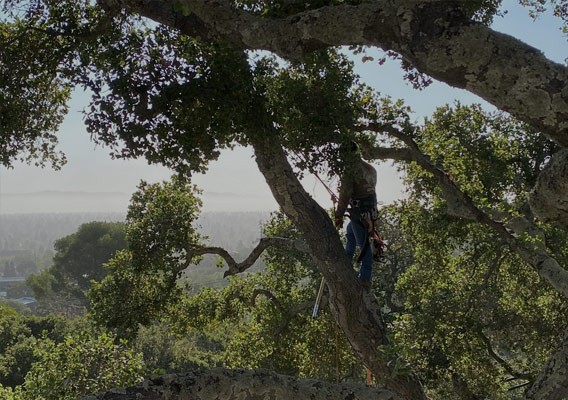
Selective pruning and trimming to open up views and improve property appearance while supporting tree health.
Enhances structure, visibility, and landscape value.
Removal of overgrown brush, weeds, and vegetation to improve visibility, clean up the property, and support fire-prevention efforts.
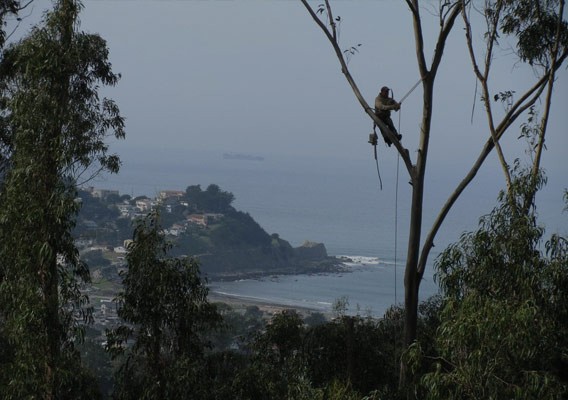
Safe removal of trees in difficult, confined, or hazardous areas using advanced techniques and experienced crews.
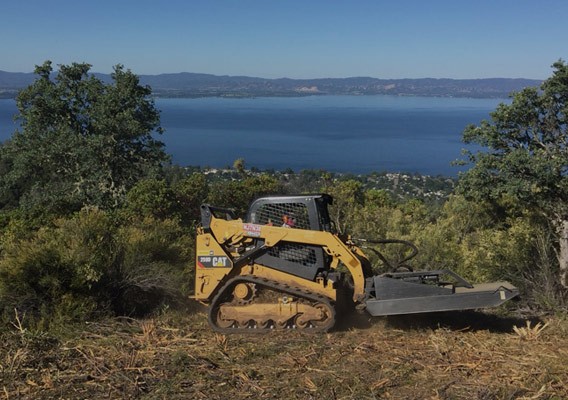
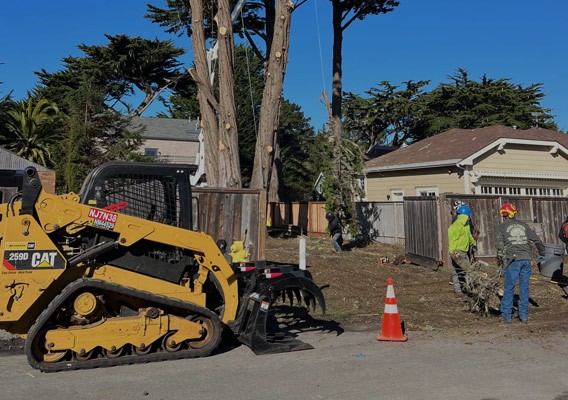
Fast and efficient lot clearing, brush removal, grading, and stump cleanup performed with professional skid-steer machinery.
Certified arborists provide detailed reports, health assessments, and documentation for permits, insurance claims, and property requirements.
Targeted pruning techniques that reduce canopy size, lighten heavy branches, and improve tree health, safety, and appearance.
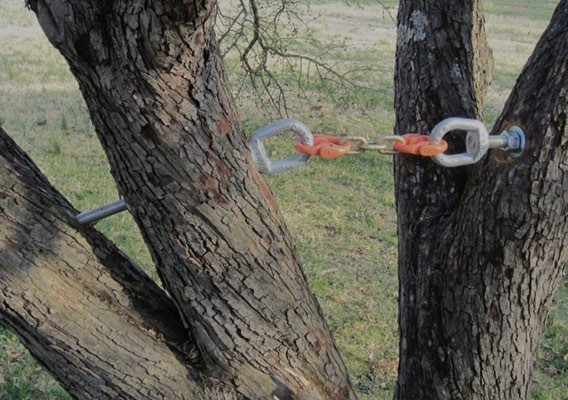
Support systems installed to stabilize weak, leaning, or split trees and reduce the risk of limb or trunk failure.
Your Local Tree Care Experts in Foster City
Precision Tree Care Inc. proudly serves homeowners, HOAs, and property managers across Foster City, from the lagoon neighborhoods and Sea Colony to homes throughout the community. Whether you need wind-stressed trees thinned, regular maintenance for a managed property, or urgent emergency service, our team responds promptly. Fill out the form below for a free estimate.
Tree Care in Foster City: Every Tree Was Planted on Purpose
Foster City has no native forest – every tree in town was planted since the 1960s, when the city rose on engineered fill over the former Brewer’s Island salt flats. That origin shapes everything about tree care here. Root systems grow in soft, shallow, engineered soils; steady bay wind rakes the lagoons with nothing upwind to slow it; and species were chosen from landscape palettes, not by nature. Sixty years on, the original plantings – pines, eucalyptus, myoporum, ornamental figs, and rows of waterfront palms – are reaching the age where limbs fail, roots heave patios, and some trees simply outgrow the lots they were given.
The HOA Is the Gatekeeper
Here is the local quirk: for single-family R-1 lots, Foster City itself does not require a tree removal permit. But most of the city lives under planned-development rules, where landscape changes go through an application with an arborist report, a removal and replacement plan, and a letter from the homeowners association. If you are in Treasure Isle, Whalers’ Island, Isle Cove, or any of the original nine neighborhoods, your HOA’s architectural review is the real approval you need – and a professional arborist report from us is usually the document that gets it through. We produce reports and assessments boards accept, and we work cleanly around docks, lagoon frontage, and shared landscaping.
Lagoon-Side Logistics
Waterfront work is our specialty here: trees leaning over the Central Lagoon, palm maintenance along the water, roots lifting shared walkways, and wind-stressed pines over patios. Equipment stays off soft ground where it should, wood comes down in controlled sections, and every estimate includes dump fees and haul-away. One more local fact worth knowing: Foster City sits in no mapped fire hazard zone at all – your risks here are wind and water, not wildfire. Rules and HOA standards change, so we confirm requirements before work begins. Free estimates: (650) 355-1277.
Frequently Asked Questions About Tree Service in Foster City
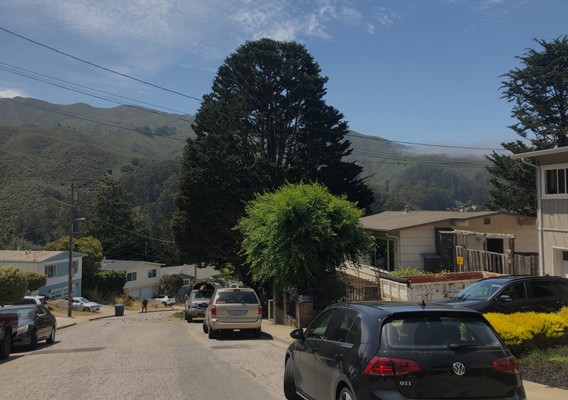
The Peninsula splits into three tree zones. On the coastside (Pacifica, Montara, Half Moon Bay), blue gum eucalyptus groves shape the canyons, with Monterey pine and cypress through the older neighborhoods and willows in the creek corridors – salt wind and steep ground stress everything equally. In the hills (Belmont, San Carlos, Hillsborough, La Honda), coast live oaks dominate the woodland with redwoods and Douglas fir in the deeper canyons. On the bayside flats (Burlingame, San Mateo, Foster City, Palo Alto), mature street trees, estate oaks, and ornamentals fill compact lots.
The species mix explains most of our work: eucalyptus weight reduction near homes, retiring 60 to 70 year old Monterey pines weakened by pitch canker, protecting native oaks, and keeping healthy trees pruned so the winter wind finds nothing loose to take.
Because the whole city stands on engineered fill over former salt flats – there is no deep native soil profile for roots to follow. Trees planted in the 1960s and 70s adapted by growing wide, shallow root systems, and sixty years later the consequences are visible on schedule:
- Roots heaving patios, walkways, and shared paths
- Reduced anchorage in the steady bay wind that crosses the lagoons unobstructed
- Species that outgrew the lots and soil they were given
All of it is manageable: root-zone assessment, selective crown reduction to cut wind sail, root barrier work where hardscape is at risk, and honest replacement recommendations where a tree has simply outlived its spot.
From the city – usually not for a single-family R-1 lot: Foster City does not require a tree removal permit there. But that answer is incomplete for most residents, because most of the city lives under planned-development rules where the real gatekeeper is the homeowners association. A typical HOA landscape modification requires:
- An application with an arborist report
- A removal and replacement plan consistent with the approved plant palette
- Board or architectural committee sign-off before work
Street and city-maintained trees are separate and need city approval. Our arborist reports are written to pass architectural review the first time – we know what Foster City boards ask for because we answer it regularly.
The urgent ones – treat any of these as a same-week call:
- A new or increasing lean, especially after rain – compare against old photos if unsure
- Soil heaving, mounding, or cracking at the base opposite the lean: the root plate is moving
- Exposed or freshly lifted roots on one side
- Cracks or splits where the trunk forks or where major limbs attach
- Mushrooms or conks at the base – decay in the anchoring wood
- Recent trenching or construction through the root zone within the last few years
Context multiplies risk: saturated winter soil plus wind is when compromised trees actually go, and a tree that “has always leaned” is different from one that leans more this month. If you see heaving soil or a fresh lean, keep people and cars out from under it and call (650) 355-1277 – we assess the same day where possible and remove genuinely dangerous trees on an emergency basis.
Start with the scratch test: nick a small twig with your thumbnail. Green and moist underneath means the branch is alive; brown and dry means that limb is dead. Then check the tree against these warning signs:
- No leaves in the growing season, or leaves that brown and drop in early summer
- Brittle twigs that snap cleanly instead of bending
- Bark falling away in sheets with smooth, bare wood underneath
- Mushrooms or fungal conks at the base or on the trunk – often a sign of internal decay
- A thinning crown with major dead limbs in the upper canopy
One sign calls for monitoring; two or more, or any of them on a tree standing over a house or driveway, call for a professional look. A dead tree dries and becomes brittle within months, which makes removal more dangerous and more expensive the longer it waits. Our ISA Certified Arborist gives an honest verdict – many trees that look bad are savable, and some that look fine are not. The assessment is free: (650) 355-1277.
For most species on the Peninsula, late fall through early spring – the dormant season – is ideal for heavy pruning. It minimizes stress, reduces disease exposure through fresh cuts, and lets the tree channel its energy into healthy spring growth. That said, dead wood, hazardous branches, and fire prevention clearance can and should be done any time of year – waiting until the “right season” is not worth the risk when a branch is a liability.
The big local exception: native California oaks prefer the dry season (July through October) – wet-season pruning invites the pathogen behind sudden oak death. If your yard mixes oaks and ornamentals, the honest schedule is two visits, not one.
We offer true 24/7 emergency tree service across all of San Mateo County – from Daly City and Pacifica to Menlo Park, Half Moon Bay, and Pescadero. Call (650) 355-1277 and our crew mobilizes as quickly as possible, including nights, weekends, and holidays. Commercial properties and maintenance contract clients get priority response – blocked entrances and liability exposure add up fast.
While you wait: keep everyone at least one tree-length away, never approach anything touching a power line, and photograph the scene from a safe distance – your insurer will want pictures taken before cleanup starts. Sending a photo and a gate or access note with your first call means the crew arrives with the right equipment loaded.
Tree removal costs vary based on tree size, species, location, and complexity. A small tree removal typically starts around $300–$600, while large or hazardous tree removal can range from $1,000 to $3,000+. All Precision Tree Care estimates include removal, dumping, and hauling – no hidden fees. Call (650) 355-1277 for your free estimate.
What moves a quote from the low end to the high end: height and trunk size, what the tree hangs over, equipment access, and the tree’s condition – dead trees are slower and riskier to dismantle. Comparing bids? Confirm each includes hauling and dump fees, or the numbers are not comparable.