
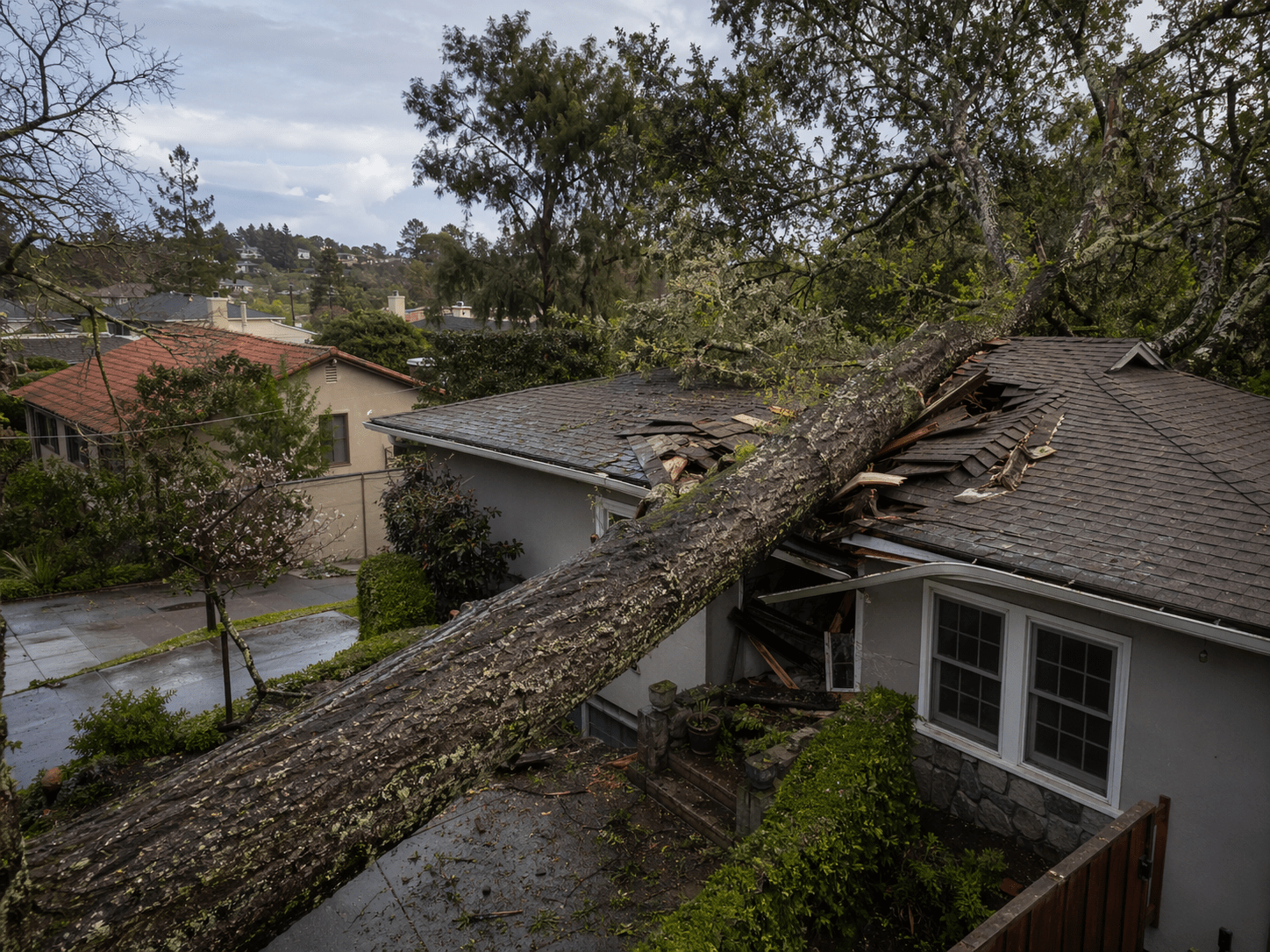
When a tree falls on your house, it can be a distressing and dangerous situation. Knowing the right steps to take can help ensure safety and facilitate the recovery process. This guide provides a comprehensive overview of what to do immediately after a tree falls, how to document the damage for insurance claims, and the costs associated with tree removal. By following these steps, homeowners can navigate the aftermath of such incidents effectively and minimize potential losses. The article will cover immediate safety measures, documentation for insurance claims, costs and processes for tree removal, local regulations, and preventive maintenance to avoid future incidents. For challenging situations, professional 24/7 emergency tree removal services like those offered by Precision Tree Care Inc can be invaluable.
What are the immediate safety steps after a tree falls on your house?
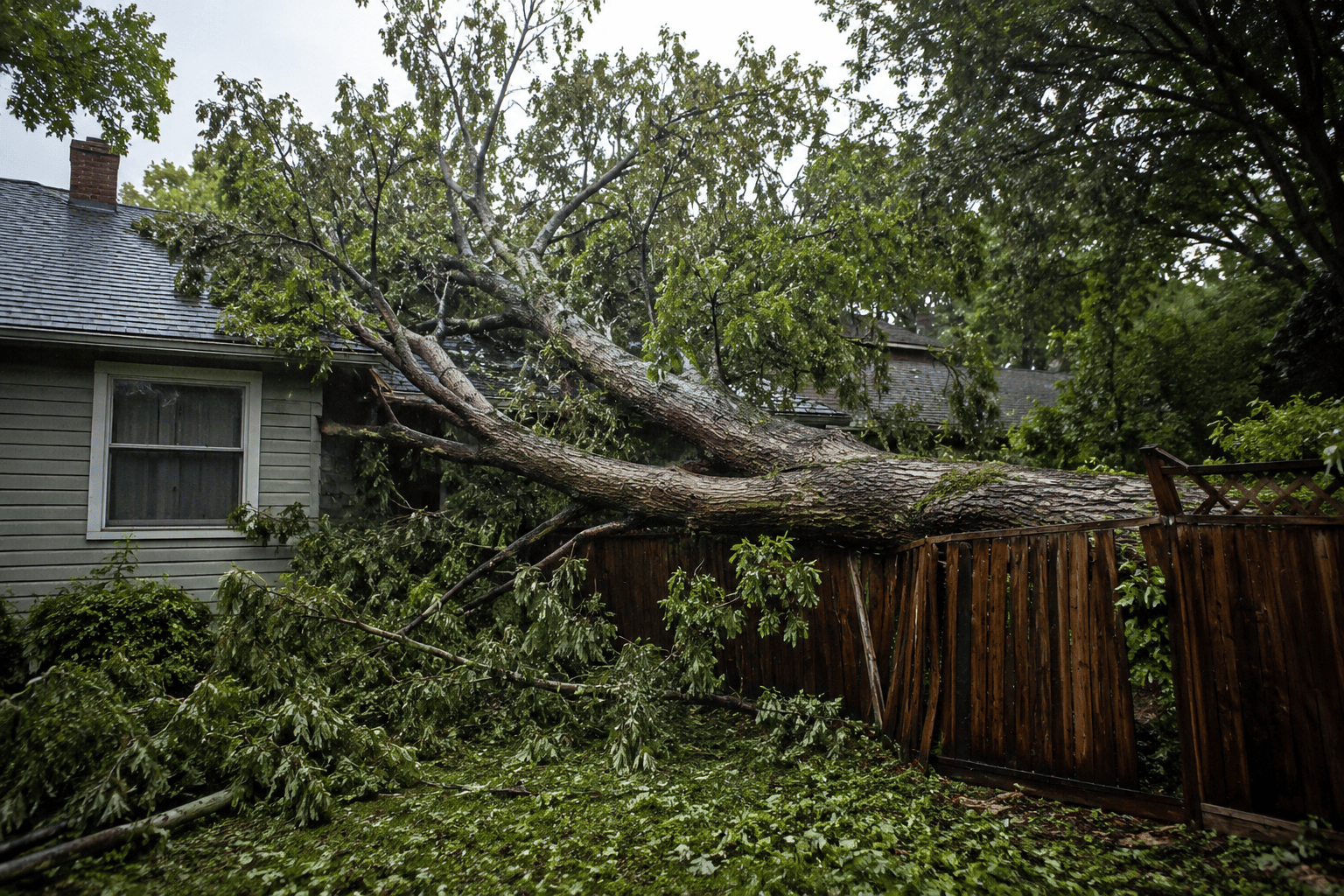
When a tree falls on your house, the first priority is ensuring the safety of all occupants. Here are the immediate steps to take:
- Get everyone away from the area: Ensure that all family members and pets are moved to a safe distance from the fallen tree.
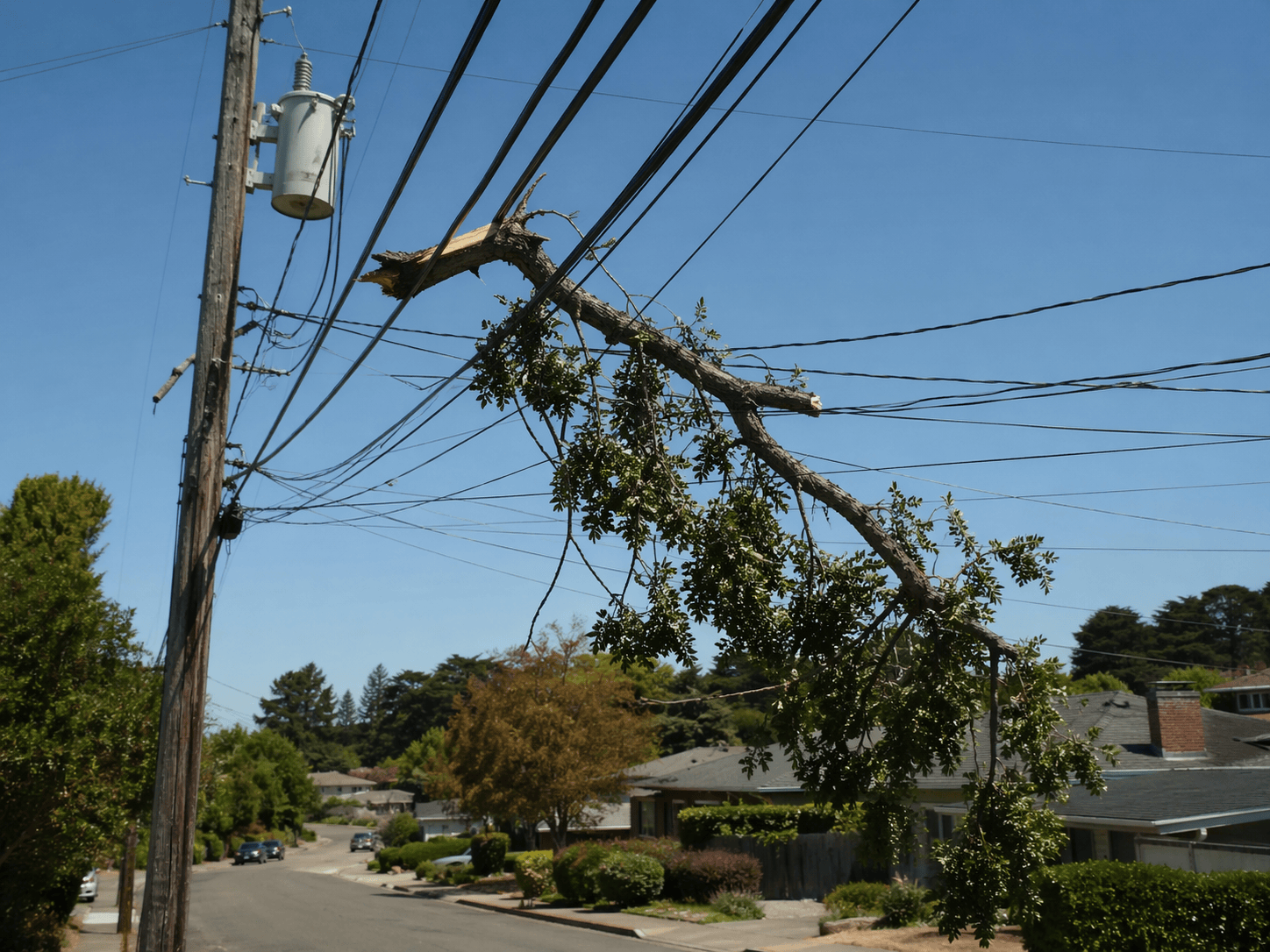
- Look for power lines: Check if any power lines are downed or in contact with the tree. If so, stay clear and call the utility company immediately.
- Document everything: Take photos and videos of the damage for insurance purposes, but do not approach the tree until it is safe.
How to assess damage and ensure personal safety
Assessing the damage involves checking both the exterior and interior of your home. Look for visible signs of structural damage, such as cracks in walls or ceilings. Ensure that there are no gas leaks or electrical hazards. If you suspect significant damage, evacuate the premises and contact emergency services.
When and how to contact emergency tree removal services
Once safety is ensured, it is time to contact Precision Tree Care Inc or another professional tree removal service. Assess the situation and document the scene with photos. When calling certified arborists trained in challenging tree removal, provide them with details about the tree’s size, location, and any hazards, such as power lines. This information will help them prepare for the removal process.
How to document tree damage for your insurance claim?
Documenting tree damage is crucial for filing an insurance claim. Here are the steps to follow:
- Stay clear of the fallen tree: Ensure that you maintain a safe distance while documenting the damage.
- Document the damage thoroughly: Take clear photographs of the tree, the damage to your house, and any other affected areas.
- Contact your insurance company: Notify your insurer about the incident as soon as possible to initiate the claims process.
What evidence should homeowners collect for tree damage claims?
Homeowners should collect various types of evidence to support their claims, including:
- Photographs and videos: Capture the damage from multiple angles.
- Documentation of events: Keep a record of when the incident occurred and any communications with emergency services or tree removal companies.
- Professional reports: If possible, obtain a written arborist report for your insurance claim detailing the damage and necessary repairs.
How to file a tree damage insurance claim effectively?
Filing a claim involves several steps:
- Assess the damage: Review the documentation you have collected.
- Contact the tree service: Ask for their report and itemized invoice to include with your claim.
- File the claim: Submit your claim to your insurance company along with all supporting documents.
Understanding the dynamics between homeowners, insurers, and tree care professionals is crucial for a smooth claims process.
Homeowner, insurer, arborist: Tree damage claims. To this end, we explored the factors behind tree-related determinations by insurance companies and responses of the tree care industry. Exploring trust and communication between insurers, arborists, and homeowners, J Calabria, 2025.
What are the costs and process of fallen tree cleanup and removal?
The costs associated with tree removal can vary significantly based on several factors, including the size of the tree and its location. Understanding these costs can help homeowners budget for the necessary services.
| Service | Cost | Description |
|---|---|---|
| Emergency tree removal | $500 – $2,000 | Costs vary based on tree size, location, and urgency. |
| Cleanup services | $200 – $700 | Includes debris removal and site cleanup. |
| Insurance claim assistance | Varies | Professional help in filing claims can incur additional costs. |
How much does emergency tree removal cost in San Mateo County?
In San Mateo County, emergency tree removal costs typically range from $500 to $2,000. Factors affecting the price include the tree’s height, the complexity of the removal, and whether it poses a risk to power lines or structures. It is advisable to get multiple estimates from local services to ensure fair pricing.
Can you remove a fallen tree yourself or should you hire professionals?
While some homeowners may consider removing a fallen tree themselves, it is often safer and more efficient to hire professionals.
- Safety risks of DIY: Removing a tree can be dangerous, especially if it is large or near power lines.
- Benefits of hiring professionals: Professionals have the necessary equipment and expertise to safely remove the tree and handle any associated hazards.
- Cost considerations: Although hiring professionals may seem more expensive upfront, it can save money in the long run by preventing injuries and further property damage.
What local San Mateo County permits and regulations apply to tree removal?
Understanding local regulations is essential for homeowners dealing with fallen trees. In San Mateo County, specific permits may be required for tree removal, especially if the tree is protected or if it poses a risk to public safety.
Which tree removal permits are required after storm damage?
After storm damage, homeowners may need to obtain permits for tree removal, particularly if the tree is on public property or is a protected species. It is important to check with local authorities to ensure compliance with all regulations.
How to comply with San Mateo County tree care and removal rules?
To comply with local rules, homeowners should:
- Understand local regulations: Familiarize yourself with the specific laws regarding tree removal in your area.
- Role of arborist reports: In some cases, a certified arborist may need to assess the tree before removal.
- Navigating the permit process: Contact local government offices to understand the necessary steps for obtaining permits.
How to prevent future tree damage through trimming and maintenance?
Preventive maintenance is key to avoiding future tree damage. Regular trimming and care can help ensure that trees remain healthy and less likely to fall during storms.
- Regular trimming schedules: Schedule regular tree trimming to remove dead or hazardous branches.
- Removing hazardous branches: Identify and remove branches that pose a risk to your home or power lines.
- Monitoring tree health: Keep an eye on the overall health of your trees, looking for signs of disease or instability.
What tree trimming services help avoid storm damage?
Professional tree trimming services can provide essential maintenance to prevent storm damage. Services may include:
- Crown reduction and thinning: Helps reduce wind resistance and improve tree stability.
- Fine pruning: Removes weak or dead branches to promote healthy growth.
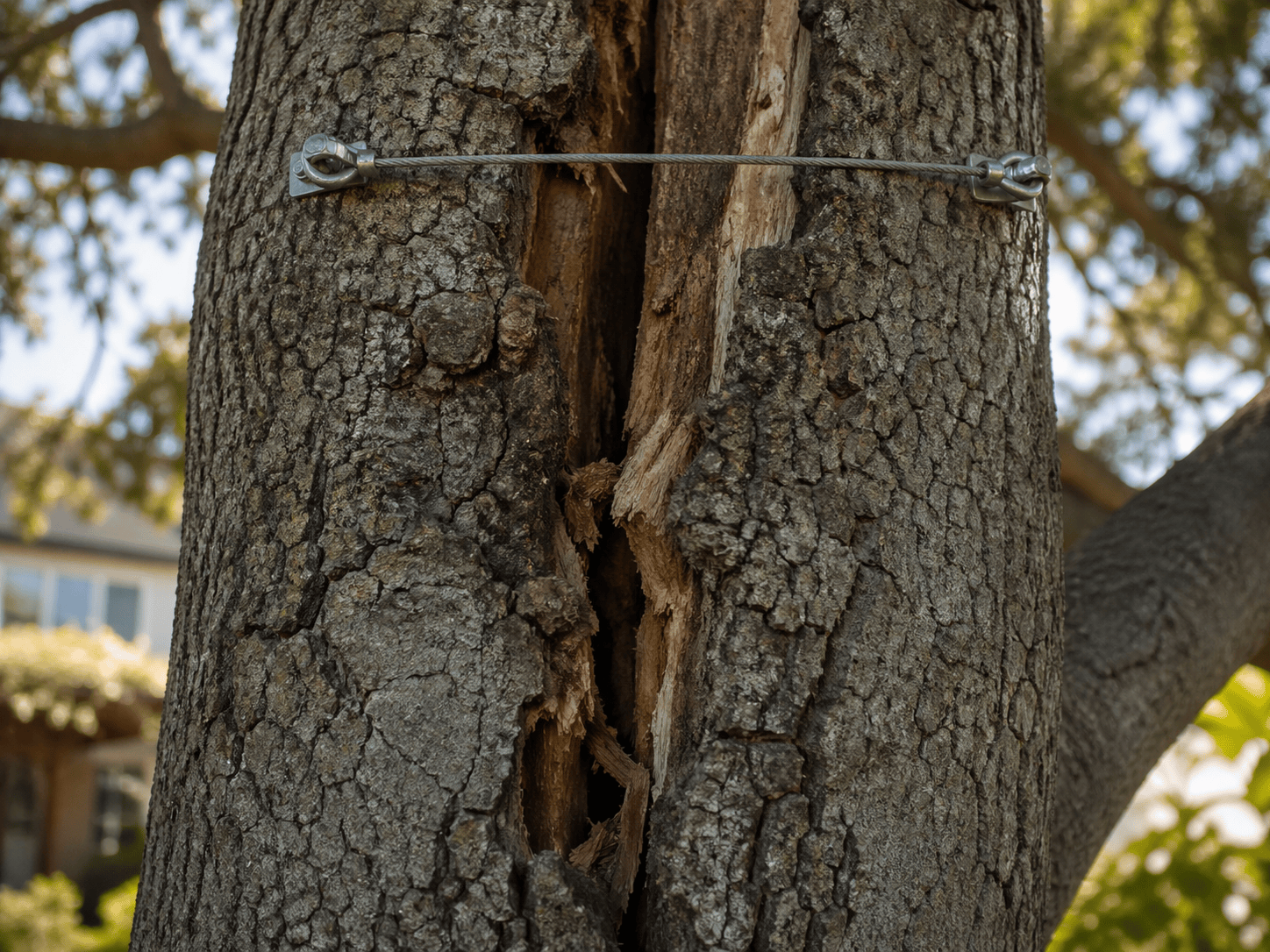
- Cabling and bracing: Provides support to weak branches or trunks to prevent breakage.
When to schedule preventive tree care for your property?
Scheduling preventive tree care should be done annually, ideally before peak storm seasons. Homeowners in high-risk areas may need to schedule more frequent assessments to ensure tree health and safety.
By following these guidelines, homeowners can effectively manage the aftermath of a fallen tree and take proactive steps to protect their property in the future.
Frequently asked questions
1. How quickly should I contact my insurance company after a tree falls on my house?
Most California homeowner’s policies require “prompt” notification — in practice, within 24–48 hours. The sooner you call, the better: it locks in the claim timeline, assigns an adjuster, and gets you clear instructions on emergency repairs the insurer may reimburse. Before you call, gather four things: dated photos and video from multiple angles, a written timeline of when the tree fell and the weather conditions, a list of visible damage inside and out, and any witness contacts if neighbors saw it. If your roof is breached and water is getting in, ask the adjuster whether they authorize emergency tarping — most policies cover mitigation work to prevent further damage.
2. Is it safe to remove a fallen tree myself?
For most homeowners, no. A tree resting on a structure is under hidden stress: compressed fibers can spring back violently when cut (chainsaw kickback), weight shifts unpredictably as branches come off, and a partially uprooted root ball can rebound when load is released. DIY chainsaw injuries consistently rank among the most serious home-accident categories. California law also holds property owners liable if a DIY removal injures a neighbor, a contractor, or a utility worker. Professional crews use rigging, cranes, and controlled cuts to lower sections in stages. Before assuming DIY is cheaper, request a free estimate at (650) 355-1277 — emergency removal often costs less than homeowners expect when access is decent.
3. Do I need a permit to remove a fallen tree in San Mateo County?
It depends on your city and the species. Most San Mateo County jurisdictions — including Atherton, Hillsborough, Menlo Park, Palo Alto, and Redwood City — have heritage or protected-tree ordinances that require a permit even for a tree that has already fallen, because the ordinance protects the site (including replanting requirements) rather than just the living tree. Most cities have an “imminent hazard” exception: an active safety threat can usually be removed first, with documentation filed retroactively within 48–72 hours. The safest path is to have a certified arborist document the hazard condition — photos plus a short written statement — before any cutting, then contact your city’s planning or public works office.
4. What should I do if the fallen tree is touching power lines?
Treat every downed line as live, even if you see no sparks. Keep people and pets at least 35 feet from the tree and the line — PG&E’s recommended safe distance for downed conductors. Never use water, garden tools, or anything else to contact the tree. Call 911 first if anyone is hurt or at risk, then PG&E’s emergency line at 1-800-743-5002. No legitimate tree service will cut a tree that is in contact with energized lines — it violates Cal/OSHA rules and endangers everyone on site. Once PG&E de-energizes or isolates the area, a qualified line-clearance arborist can complete the removal. Anyone offering to “just cut it off the line” is either unlicensed or reckless — walk away.